

Why Late February Matters for Pets
Right now, three big themes are top of mind for Western pet owners:
- Pet Dental Health Month wraps up — but dental care shouldn’t stop.
- Flea & tick season starts early in warmer US and EU regions.
- Pets are coming out of winter hibernation mode, with more walks, play, and sunlight.
This guide ties all of it together in a relaxed, helpful way.
Your Late-February 2026 Pet Care Guide: Fresh Habits for Happy, Healthy Pets
As the last days of February roll in, many of us are starting to look ahead: lighter evenings, milder weather, and small, joyful changes for our pets. After months of colder days, extra naps, and cozy indoor time, late February is the perfect moment to reset habits — not with big, stressful overhauls, but simple, sustainable steps that keep dogs and cats feeling their best.
This year, pet care across the US and Europe is all about gentle consistency. We’re focusing on prevention over reaction, comfort over chaos, and real connection over complicated routines. Here’s what you can start doing today.
1. Finish Strong with Pet Dental Health Month
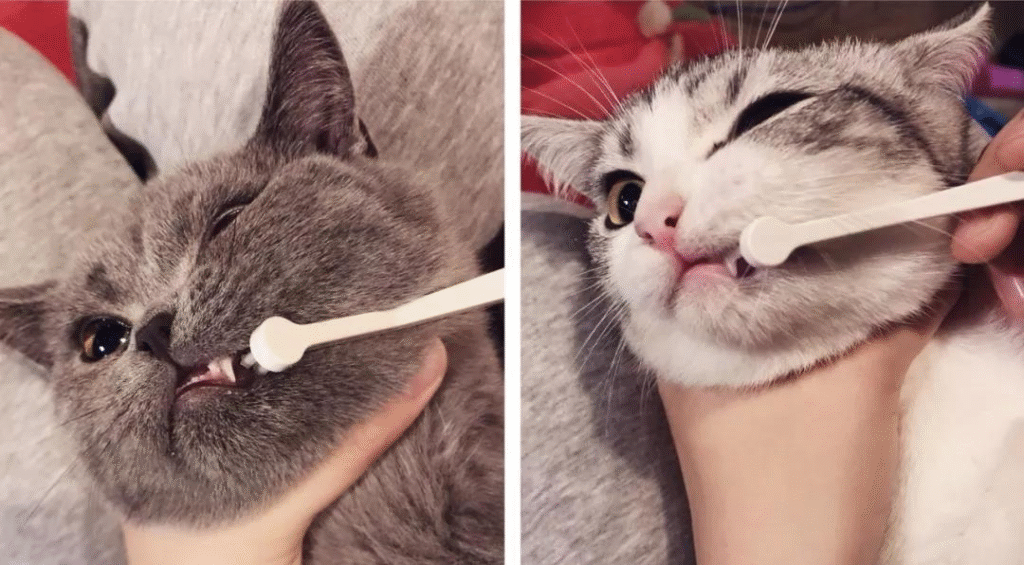
February is National Pet Dental Health Month, but good oral care is a year-round responsibility. Dental disease is one of the most common preventable issues in adult dogs and cats, affecting over 80% by age three.
You don’t need fancy tools:
- Brush 2–3 times a week with pet-safe toothpaste (never human toothpaste).
- Offer dental chews, water additives, or rubber toys that help reduce plaque.
- Watch for bad breath, yellow buildup, swollen gums, or difficulty chewing.
- If you haven’t already, book a routine dental checkup with your vet before spring gets busy.
Small daily efforts add up to fewer health risks and happier, pain-free pets.
2. Start Flea & Tick Prevention Early
Warmer weather arrives earlier each year, and parasites don’t wait for March. In many parts of Southern Europe and the southern US, flea and tick activity already picks up in late February.
Don’t wait until you see a problem:
- Restart or renew monthly preventatives now.
- Check paws, bellies, and ears after walks, especially in grass or woods.
- Keep outdoor areas tidy to reduce hiding spots for pests.
Early protection means fewer itchy days, fewer infections, and more peace of mind.
3. Gentle Exercise: Ease Back into Activity
After slower winter months, sudden long runs or intense play can strain joints — especially in senior pets, puppies, and kittens.
Try these low-key ideas:
- Short, slow “sniff walks” where your dog can explore at their own pace.
- 5–10 minute indoor play sessions with feather wands, puzzle toys, or soft balls.
- Slow stair climbing or gentle stretching for older pets.
Mental enrichment is just as important as physical exercise — and it’s easier to fit into busy days.
4. Skin & Coat Refresh for Winter Dryness
Indoor heating and cold air leave many pets with dry skin, flaking, or dull fur. Late February is ideal for a light refresh.
- Use a moisturizing, pet-safe shampoo or conditioning spray.
- Brush daily to remove loose fur and distribute natural oils.
- Add a small amount of omega‑3 supplement to meals for coat and joint support.
- Keep water bowls full — hydration helps skin from the inside out.
You’ll notice softer fur, less scratching, and a healthier shine in just a week or two.

5. Quiet Bonding: The Biggest Pet Trend of 2026
Across social media and pet communities in the US and UK, one trend keeps standing out: calm, intentional time together. Not every moment has to be a hike, a photoshoot, or a big adventure.
Try these simple bonding moments:
- Sit together near a window while they watch birds.
- Hand-feed a few treats during gentle grooming.
- Let them curl up next to you while you work or read.
- Create a small, cozy “safe spot” with their bed and a favorite toy.
These quiet minutes build trust, lower anxiety, and make your bond stronger.
6. Quick Home Check: Safety First
Take 5 minutes to walk through your home and prepare for early spring:
- Move toxic plants (lilies are especially dangerous for cats) out of reach.
- Secure cleaning products, antifreeze, and small objects.
- Test window screens if you plan to open them soon.
- Make sure collars, tags, and microchip info are up to date.
A little preparation prevents big emergencies later.
Final Thought
Late February isn’t about big changes — it’s about small, kind choices that help your pet transition smoothly into spring. Good dental care, early parasite protection, gentle movement, and quiet time together go a long way.
This year, let’s keep pet care simple, consistent, and full of joy.
What You Can Do This Week
✅ Brush your pet’s teeth 2–3 times
✅ Start or update flea/tick prevention
✅ Add one short enrichment activity daily
✅ Book a routine vet check if needed