
January is the season of fresh starts—we declutter our closets, refresh our routines, and vow to live more intentionally. But how often do we extend that “new year, new me” energy to our furry friends? Last weekend, as I sorted through my wardrobe, I turned to my pet’s corner and froze: a mountain of tattered toys, half-empty bags of expired treats, a frayed collar covered in lint, and a cat bed that smelled like old laundry. It hit me: we spend so much time curating our own spaces, but our pets’ “closets” (and their comfort, safety, and health) often get overlooked.
A pet closet refresh isn’t about mindlessly buying new stuff—it’s about auditing what’s unsafe, upgrading to sustainable options, and reimagining old items (hello, DIY!). According to Dr. Maya Carter, a holistic veterinarian in Portland, “Worn-out toys, expired food, and low-quality gear can pose hidden risks—from bacterial infections to choking hazards. A yearly refresh is one of the simplest ways to prioritize your pet’s well-being.”
Below is a science-backed, step-by-step guide to revamping your pet’s essentials in 2026—no wasteful spending, no trendy fads, just practical, eco-friendly changes that benefit both your pet and the planet.
🔍 Part 1: The Pet Closet Audit – What to Toss Immediately (Vet-Backed Red Flags)
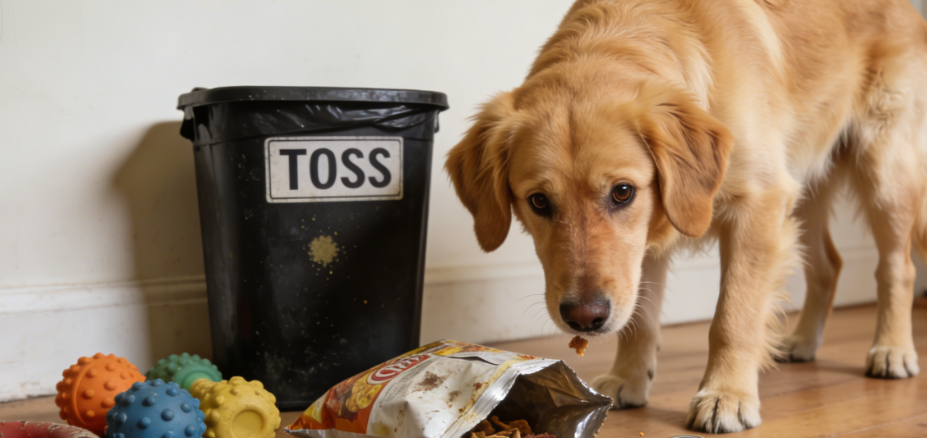
Before you buy anything new, start with an audit. Grab a trash bag and go through every pet item—if it checks any of these boxes, it’s time to say goodbye. These red flags are based on veterinary guidelines for pet safety and hygiene.
Toys: Toss These Now
- Worn, frayed, or shedding toys: Fuzzy plush toys that lose stuffing or fabric can cause intestinal blockages if ingested. Even “chew-proof” toys have a lifespan—look for tears, cracks, or missing pieces.
- Toys with small, detachable parts: Buttons, googly eyes, or plastic decorations are choking hazards. If a part can be pulled off with minimal force, it’s not safe.
- Old rubber toys that smell or are sticky: Rubber breaks down over time, harboring bacteria (like Salmonella or E. coli) that can make your pet sick. A quick sniff test works—if it smells off, toss it.
Food & Treats: Expired = Dangerous
- Any expired items: Check the “best by” date on kibble, wet food, and treats. Expired food loses nutrients and can grow mold or bacteria, leading to vomiting or diarrhea.
- Open wet food older than 3 days: Even if stored in the fridge, opened wet food spoils quickly. If it’s slimy, smelly, or discolored, throw it out.
- Treats with harmful additives: Toss any treats containing xylitol, artificial dyes (Red 40, Yellow 5), or excessive salt/sugar. These are linked to long-term health issues (kidney disease, obesity).
Wearables (Collars, Harnesses, Leashes)
- Frayed or damaged straps: A worn leash or harness can break mid-walk, putting your pet at risk of running into traffic. Check for fraying, loose stitches, or cracked buckles.
- Collars that are too tight/loose: A collar should fit snugly (you can fit 2 fingers between the collar and your pet’s neck). If it’s stretched out or leaves indentations, replace it.
- Dyed or chemical-smelling fabrics: Cheap dyes can irritate your pet’s skin (look for redness or itching). Opt for natural fabrics instead.
Grooming & Bedding
- Expired grooming products: Shampoo, conditioner, or flea/tick treatments lose effectiveness after expiration. Using old flea meds can also cause skin irritation.
- Moldy, smelly, or stained bedding: Pet beds absorb urine, saliva, and dirt—even with washing, they can harbor mold and allergens. If the bed has a persistent odor or visible mold, replace it.
- Dry or clumpy clumping cat litter: Old litter loses clumping power and can irritate your cat’s paws. Toss any litter that’s been open for more than 6 months.
Pro Tip: When in doubt, ask your vet! Dr. Carter recommends bringing questionable items to your next check-up—they can help you spot hidden risks you might miss.
🌱 Part 2: Sustainable Upgrade Picks – Eco-Friendly & Safe (2026 Trends)
Now that you’ve cleared the clutter, it’s time to upgrade—sustainably. The goal is to choose items that are durable, non-toxic, and kind to the planet. Below are my top vet-approved picks for each category, with both premium and budget-friendly options.
1. Toys: Durable & Biodegradable
Look for toys made from natural, renewable materials—they’re safer for your pet and break down faster in landfills.
2. Food & Treats: Zero-Waste & Nutritious
- For cats: Organic cotton mouse toys: Look for toys filled with catnip and made from organic cotton (no pesticides). Try the Earthbound Organic Catnip Mouse.
- Recycled rubber toys: Brands like Kong make toys from recycled rubber. The Kong Classic is perfect for stuffing with peanut butter (no xylitol!) for mental stimulation.
- Cardboard scratchers: Recycled cardboard scratchers are eco-friendly and satisfy your cat’s scratching instinct. The PetFusion Ultimate Cat Scratcher Lounge is durable and doubles as a bed.
Sustainable food options reduce packaging waste and are often healthier for your pet (fewer additives, higher-quality ingredients).
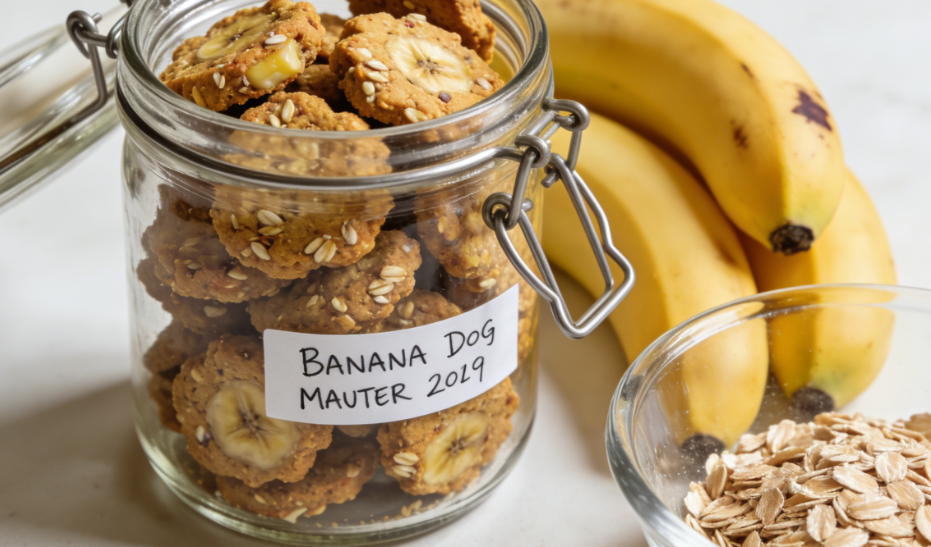
- Homemade treats (easy!): Skip store-bought treats and make your own. Try these 2-ingredient recipes: Dog treats: Mashed banana + oats (baked at 350°F/175°C for 15 minutes).
- Zero-waste food: Buy kibble or wet food in bulk (bring your own container to pet stores) to avoid plastic packaging. Brands like Open Farm offer bulk options with human-grade ingredients.
- Reusable food/water bowls: Replace plastic bowls with stainless steel or ceramic (they’re non-toxic and easy to clean). Look for bowls made from recycled materials (like the Eco-Friendly Stainless Steel Bowl from Petco).
- Cat treats: Plain Greek yogurt + pureed pumpkin (frozen in small drops for a cool snack).
Choose wearables made from organic, breathable fabrics—they’re gentler on your pet’s skin and better for the planet.
3. Wearables: Natural Fabrics & Safety Features
- Leashes: Recycled nylon or hemp leashes are durable and eco-friendly. The Earth Rated Recycled Leash has a padded handle for comfort and a poop bag dispenser (zero-waste bags available!).
- Collars/harnesses: Opt for organic cotton, hemp, or bamboo. The Ruffwear Front Range Harness (premium) is made from recycled polyester and has reflective strips for night safety. For budget, try the Blueberry Pet Organic Cotton Collar.
Sustainable grooming products and bedding are free from harsh chemicals and often use recycled or renewable materials.
4. Grooming & Bedding: Plant-Based & Recyclable
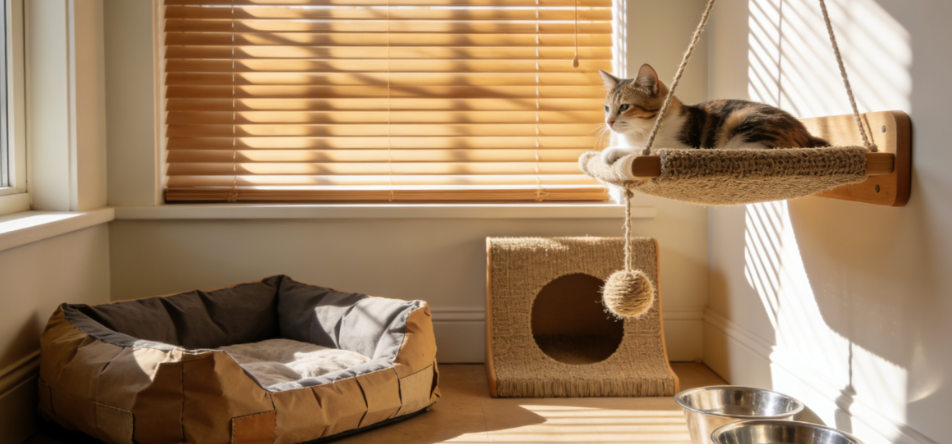
- Bedding: Look for pet beds made from recycled polyester (filled with recycled plastic bottles) or organic cotton. The FurHaven Eco Plush Bed is machine-washable and uses recycled materials. For cats, the Catit Eco Nature Scratching Bed is made from renewable sisal.
- Grooming: Use plant-based shampoos (oatmeal, lavender) that are biodegradable. The Burt’s Bees Oatmeal Shampoo is gentle and cruelty-free. For brushes, choose wooden handles (sustainable) with metal bristles (durable).
✂️ Part 3: DIY Upcycle Hacks – Turn Old Items into Pet Treasures (Zero Cost!)
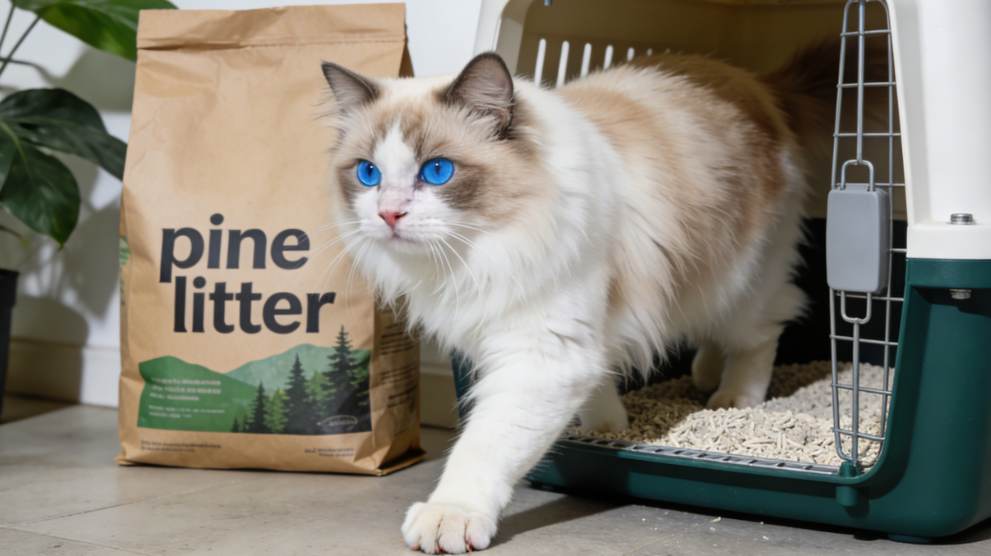
- Litter: Switch to plant-based cat litter (corn, wheat, or pine). These are biodegradable and flushable (check local regulations). Try the World’s Best Cat Litter (corn-based) or Feline Pine (pine-based).
1. Old T-Shirt → Pet Comfort Blanket
Sustainability isn’t just about buying new—it’s about reusing what you already have. These easy DIY projects turn household trash into pet favorites, no sewing or fancy tools required.
- Cut off the sleeves and neckline of the t-shirt.
Materials: Old cotton t-shirt (no logos or thick seams), scissors.
- Frill the edges (optional): Cut 1-inch strips around the square, then tie each strip into a knot to prevent fraying.
- Cut the body of the t-shirt into a square (size depends on your pet—18×18 inches for small pets, 24×24 inches for large dogs).
2. Empty Can → Treat-Dispensing Toy
- Wash the blanket in hot water to soften the fabric. Your pet will love the familiar smell of your clothes!
- Thoroughly clean the can (remove all food residue) and dry it.
Materials: Empty (clean) tuna/cat food can, duct tape, scissors.
- Punch 2-3 small holes in the side of the can (use a can opener or scissors—be careful!).
- Cover the top and bottom edges with duct tape to prevent sharp edges from hurting your pet’s paws.
3. Cardboard Box → Cat Castle
Materials: Large cardboard box (shipping box), scissors, tape, catnip (optional).
- Put a few small treats inside the can. Your dog/cat will bat the can around to get the treats out—great for mental stimulation!
- Cut a few small windows (2×2 inches) in the top or sides for ventilation.
- Cut a small door (6×6 inches) in the side of the box (make sure the door is big enough for your cat to fit through).
- Stack smaller boxes on top (tape them together) for a multi-level castle—cats love climbing and hiding!
- Line the inside of the box with a soft towel or old t-shirt (add a sprinkle of catnip for extra appeal).
📦 Part 4: Smart Storage Tips – Keep Your Pet Closet Tidy All Year
Safety Note: Always supervise your pet with DIY toys the first time. Check for loose parts or sharp edges regularly, and replace the toy if it starts to break.
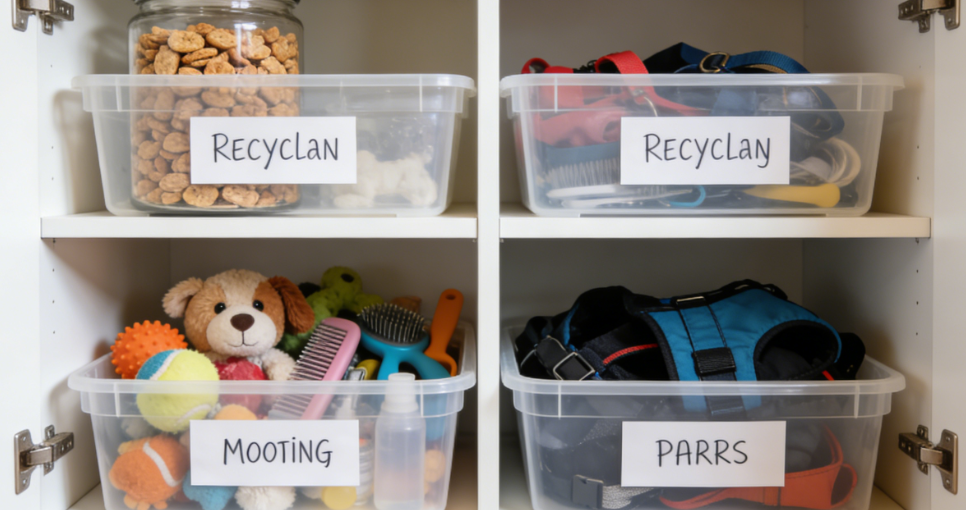
- Use recycled plastic bins for sorting: Label bins “Toys,” “Treats,” “Grooming,” and “Wearables.” Look for bins made from recycled plastic (brands like Sterilite offer eco-friendly options).
A refreshed closet stays organized with the right storage. These tips are simple, affordable, and sustainable—no plastic bins required (unless they’re recycled!).
- Hanging storage for leashes/collars: Install a hook rack (made from reclaimed wood) on the wall to hang leashes, collars, and harnesses. This saves space and keeps them easily accessible.
- Glass jars for treats: Store dry treats in glass jars (reuse pasta sauce jars!) to keep them fresh and free from plastic waste. Add a label with the expiration date.
- Monthly “mini-audit”: Set a reminder on your phone to do a quick check of your pet’s closet every month. This prevents clutter from piling up and ensures items are still safe.
- Vacuum-seal bedding: When not in use (e.g., summer beds in winter), vacuum-seal pet bedding to save space. Use reusable vacuum-seal bags (avoid single-use plastic).
A pet closet refresh isn’t about having the fanciest toys or the most expensive bed—it’s about creating a space that’s safe, comfortable, and kind to your pet and the planet. You don’t have to replace everything at once: start with the most unsafe items (expired food, frayed leashes) and gradually upgrade the rest as your budget allows.
🌟 Final Thought: Refresh with Purpose, Not Perfection
As you refresh your pet’s closet in 2026, remember: every small change (choosing a recycled toy, upcycling an old box) makes a difference. Here’s to a year of happy, healthy, and sustainable adventures with your furry friend.
My favorite part of this process? Watching my dog Leo fall in love with his DIY t-shirt blanket and my cat Mochi claim her cardboard castle as her own. They don’t care if their toys are “trendy”—they just care about being comfortable and close to me.
Have you done a pet closet refresh before? What’s your favorite DIY pet toy? Or are you planning to revamp your pet’s essentials this year? Share your tips and stories in the comments below—I’d love to hear from you!