As a pet parent to Lila, a golden retriever with extremely sensitive skin, I’ve learned the hard way: traditional chemical flea and tick preventatives are off the table. The last time I used a topical chemical treatment, she broke out in itchy red rashes and refused to eat for two days. Like many owners of sensitive pets, I panicked—how do I protect her from pests without harming her? After months of researching, consulting exotic pet vets, and testing gentle methods, I’ve found 7 natural prevention strategies that work. They’re non-toxic, irritation-free, and effective at keeping fleas and ticks at bay.
Sensitive pets (including those with allergies, senior pets, puppies/kittens, or chronic health issues) need extra care when it comes to pest prevention. Chemicals like pyrethroids or imidacloprid can cause skin burns, vomiting, or even more severe reactions. These natural methods focus on repelling pests, creating an unwelcoming environment, and boosting your pet’s natural defenses—no harsh ingredients required. Let’s dive in!
🛡️ Method 1: Regular Brushing + Manual Removal (The Foundation of Prevention)
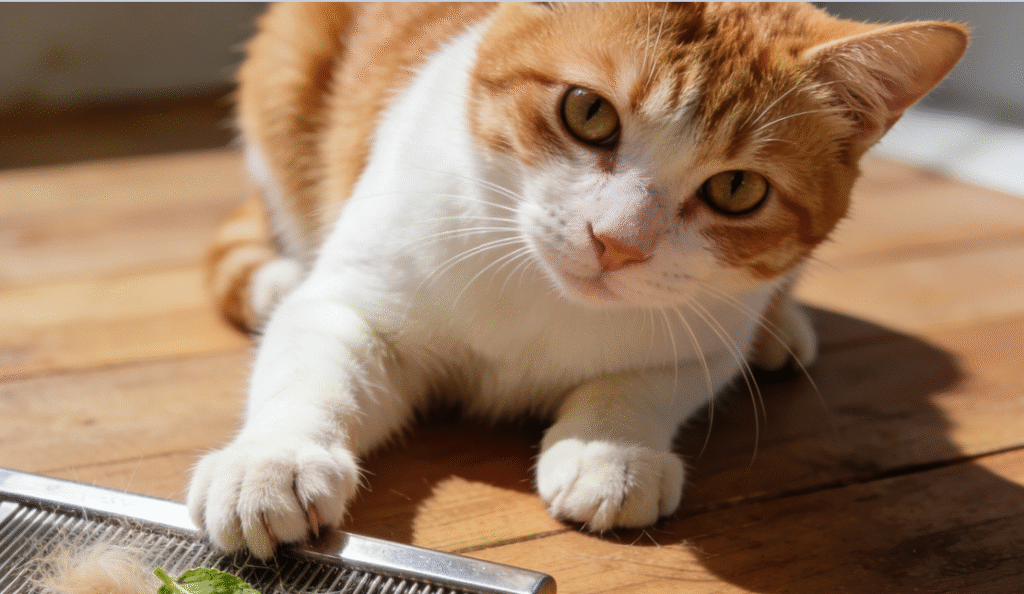
The simplest, safest way to stay ahead of fleas and ticks is to check your pet daily—especially after outdoor time. Brushing not only removes loose fur and debris but also lets you spot pests early before they multiply.
How to Do It:
Choose the Right Brush: For short-haired pets, use a soft-bristle brush or a fine-tooth flea comb. For long-haired pets, opt for a slicker brush first to detangle, then a flea comb.
Brush Thoroughly: Focus on warm, hidden areas where fleas and ticks love to hide: neck, ears, armpits, belly, and tail base.
Manual Removal for Ticks: If you find a tick, use fine-tipped tweezers to grasp it as close to your pet’s skin as possible. Pull upward slowly and steadily (don’t twist!) to remove the entire tick. Dispose of it by flushing it down the toilet or soaking it in rubbing alcohol.
Post-Check Care: Wipe your pet’s coat with a damp cloth to remove any remaining flea dirt (black specks that turn red when wet—this is flea feces).
Why It Works for Sensitive Pets:
No products = no risk of irritation. This method is 100% natural and gives you direct control over pest exposure. I brush Lila every evening after our walk, and it’s caught multiple ticks before they could attach fully.
🐾 Vet Insight: “Early detection is key for sensitive pets,” says Dr. Mia Torres, a holistic vet in Austin. “Even a single tick bite can cause an allergic reaction in some animals, so daily checks aren’t optional—they’re essential.”
Diatomaceous earth (DE) is a powdery substance made from fossilized algae. It’s non-toxic to pets and humans but deadly to fleas and ticks: the tiny particles scratch their exoskeletons, causing them to dehydrate and die.
How to Use It:
Choose the Right DE: Only use food-grade diatomaceous earth (garden-grade DE is toxic!). Look for a product labeled “safe for pets.”
Apply to Pet’s Coat: Sprinkle a small amount of DE on your pet’s fur (focus on the back, tail, and neck). Use your hands to work it into their coat, avoiding their eyes, nose, and mouth. Brush out any excess to prevent them from inhaling the powder.
Treat Their Environment: Sprinkle DE on carpets, pet beds, furniture, and outdoor areas (like dog runs or garden beds). Let it sit for 24-48 hours, then vacuum or sweep it up. Reapply every 2-3 weeks, or after rain.
Safety Tips for Sensitive Pets:
Apply in a well-ventilated area to avoid dust inhalation.
If your pet has extremely dry skin, limit use to once a month—DE can be slightly drying.
Do not use on wet fur (it won’t work, and may clump and irritate skin).
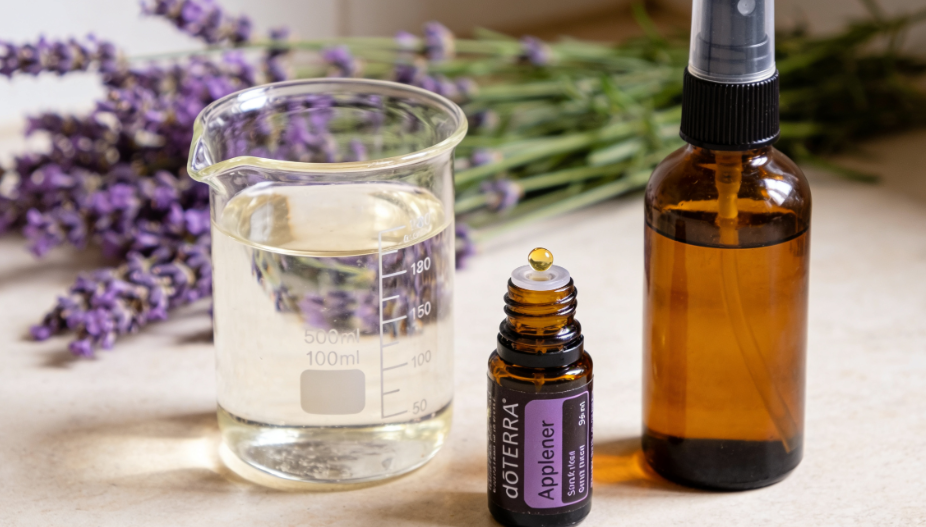
Certain essential oils repel fleas and ticks, but undiluted oils are toxic to pets—especially cats, who lack the enzyme to metabolize oils like dogs do. When diluted properly, however, they’re safe and effective for sensitive dogs (note: use extra caution with cats—stick to cat-specific oils if possible).
Safe Oils for Pets (Diluted):
Dogs: Lavender, peppermint, cedarwood, lemongrass (all repel fleas/ticks and have a calming effect).
Cats: Rosemary, geranium, cedarwood (avoid peppermint and lemongrass—they’re more likely to irritate cats).
DIY Diluted Spray Recipe:
1 cup distilled water
2 tablespoons apple cider vinegar (helps the oil mix with water)
3-4 drops of pet-safe essential oil (e.g., lavender for dogs, rosemary for cats)
Mix in a spray bottle and shake well before each use.
How to Use It:
Spray lightly on your pet’s coat, avoiding their face, eyes, and any irritated skin.
Let the coat air dry (do not towel-dry—this can rub the oil into skin and cause irritation).
Reapply every 2-3 days, or before outdoor activities.
Critical Warnings:
Never use undiluted essential oils on pets.
Do not use on puppies/kittens under 12 weeks old, pregnant/nursing pets, or pets with respiratory issues.
If your pet licks the spray and vomits or acts lethargic, stop use immediately and contact your vet.
Bathing your pet with gentle, natural ingredients not only removes fleas and ticks but also soothes sensitive skin. Oatmeal is anti-inflammatory, and apple cider vinegar (ACV) changes the pH of your pet’s skin, making it less attractive to pests.
DIY Bath Recipe (For Dogs—Cats Need Less Frequency!):
1 cup colloidal oatmeal (ground into a fine powder)
1 tablespoon apple cider vinegar
2 gallons warm (not hot) water
Mix the oatmeal and ACV into the water until dissolved.
How to Bathe:
Wet your pet’s coat thoroughly with warm water.
Pour the oatmeal-ACV mixture over their coat, massaging gently into the skin (avoid face).
Let it sit for 5-10 minutes (this gives the ingredients time to work).
Rinse thoroughly with warm water (no soap needed—oatmeal acts as a natural cleanser).
Towel-dry or blow-dry on low heat (wet skin can irritate sensitive pets).
Frequency:
Dogs: Every 2-4 weeks (more often if they get dirty, but over-bathing can dry out skin).
Cats: Only bathe if they have visible fleas—cats groom themselves, and frequent baths stress them. Use a damp cloth to spot-clean instead if possible.
🥦 Method 5: Boost Their Immune System with Anti-Flea Foods
A healthy immune system helps your pet fight off flea/tick bites and reduces the risk of allergic reactions. Adding certain foods to their diet can also act as a natural repellent.
Foods to Add (In Moderation):
Pumpkin Seeds: Rich in cucurbitacin, which paralyzes fleas in the digestive tract (prevents them from multiplying if ingested). Grind 1-2 teaspoons (for small dogs/cats) or 1 tablespoon (for large dogs) into their food daily.
Garlic (Dogs Only!): Small amounts of garlic repel fleas (the sulfur compounds seep into the skin). Add 1/4 clove (small dogs) to 1 clove (large dogs) of minced garlic to their food 2-3 times a week. Do not feed garlic to cats—it’s toxic to them.
Coconut Oil: Contains lauric acid, which repels fleas and moisturizes dry skin. Add 1/2 teaspoon (small pets) to 1 tablespoon (large dogs) to their food daily. You can also rub a small amount on their coat for extra protection.
Leafy Greens: Spinach, kale, and broccoli are rich in vitamins A and E, which support skin health and immunity. Chop into small pieces and mix with their food.
Safety Tips:
Always introduce new foods slowly (1-2 days of small amounts) to avoid upsetting your pet’s stomach.
Consult your vet before adding supplements if your pet has chronic health issues (e.g., kidney disease, diabetes).
🏡 Method 6: Yard & Home Maintenance (Eliminate Pest Habitats)
Fleas and ticks thrive in warm, moist environments. Keeping your home and yard clean reduces their hiding spots and makes your space less inviting.
Home Maintenance:
Vacuum carpets, rugs, and furniture 2-3 times a week (focus on areas where your pet sleeps). Empty the vacuum bag immediately (fleas can survive inside!).
Wash pet beds, blankets, and toys in hot water every week (heat kills fleas and eggs).
Keep indoor humidity below 50% (use a dehumidifier)—fleas can’t survive in dry environments.
Yard Maintenance:
Mow the lawn regularly (short grass doesn’t provide shade for ticks).
Trim bushes and trees (lets sunlight in, drying out moist areas).
Remove leaf piles, wood piles, and debris (fleas/ticks hide here).
Create a “tick barrier” around your yard: sprinkle diatomaceous earth or cedar chips along fences and walkways (cedar repels ticks).
Why It Matters for Sensitive Pets:
Reducing pest populations in your environment means your pet is less likely to come into contact with them—less exposure = less risk of irritation or infection.
🧼 Method 7: Natural Flea Collar (DIY or Pet-Safe Store-Bought)
Commercial flea collars are often loaded with chemicals, but natural collars use herbs or essential oils to repel pests. You can make your own or buy pre-made ones (look for “chemical-free” and “sensitive skin” labels).
DIY Natural Flea Collar:
Materials: A soft fabric collar (cotton or hemp works best), 5-10 drops of pet-safe essential oil (e.g., lavender + cedarwood for dogs), 1 teaspoon of coconut oil (helps the oil absorb into the fabric).
Instructions: Mix the essential oil and coconut oil in a small bowl. Dip the collar into the mixture, making sure it’s evenly saturated. Hang it to dry completely (24 hours) before putting it on your pet.
Reapply the oil mixture every 2-3 weeks (or when the scent fades).
Store-Bought Options:
Look for collars made with natural ingredients like cedarwood, lavender, or neem oil. Avoid collars with “pyrethroid” or “imidacloprid” in the ingredients list.
Safety Tips:
Make sure the collar is loose enough to fit 2 fingers between the collar and your pet’s neck (prevents choking or irritation).
Check your pet’s neck daily for redness or irritation—remove the collar if you see signs of discomfort.
❌ Common Mistakes to Avoid with Sensitive Pets
Using “Natural” Products Without Research: Not all “natural” products are safe—neem oil, for example, can irritate some pets’ skin. Always test a small amount first (e.g., dab a drop of oil on their paw) and wait 24 hours for a reaction.
Over-Treating: More isn’t better! Using multiple natural products at once (e.g., DE + essential oils + garlic) can overwhelm sensitive pets and cause skin or digestive issues.
Ignoring Allergic Reactions: If your pet breaks out in a rash, scratches excessively, or vomits after using a natural method, stop immediately and contact your vet. Even natural ingredients can cause allergies.
Forgetting Indoor Pests: Fleas and ticks don’t just live outside—they hide in carpets, beds, and furniture. You need to treat both your pet and their environment for effective prevention.
🌟 Final Thought: Prevention Is a Routine, Not a One-Time Fix
Natural flea and tick prevention for sensitive pets takes consistency—you can’t just apply DE once and call it a day. But the effort is worth it: Lila hasn’t had a single flea or tick reaction since I switched to these methods. The key is to find what works for your pet’s unique needs—what works for my golden retriever might not work for a tiny Chihuahua or a senior cat.
Remember, every pet is different. Start with one method (like daily brushing) and add others slowly. If you’re unsure, consult a holistic vet who specializes in sensitive pets—they can help you create a personalized prevention plan.
💬 Your Turn: Do you have a sensitive pet? What natural flea and tick prevention methods have worked for you? Or are you struggling to find a safe solution? Share your stories in the comments below—I’d love to help and learn from your experiences!