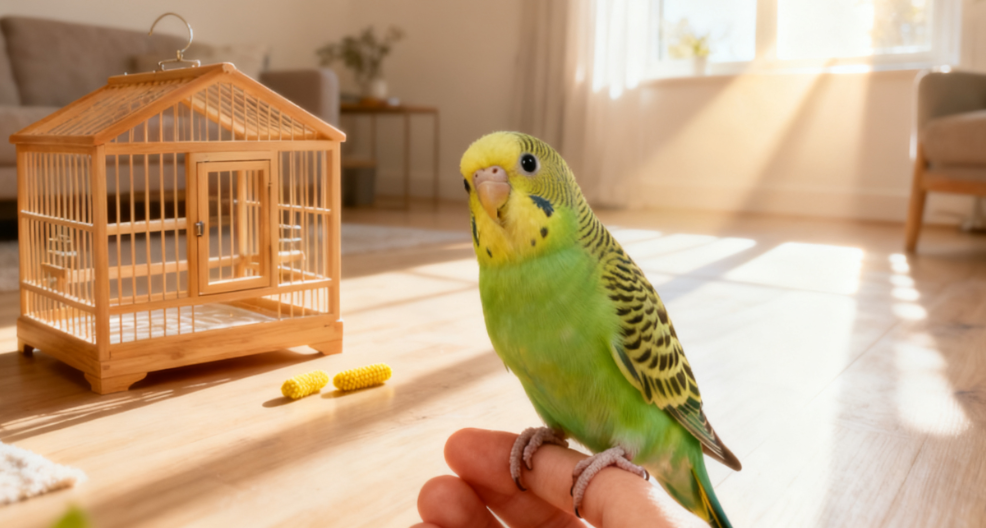
When I brought home my first parakeet, Blue, I dreamed of waking up to his cheerful songs instead of just random chirps. Like most first-time bird owners, I had no clue where to start—would he even learn to sing? Could a beginner like me teach him without stress? After 8 weeks of trial and error (and a lot of millet treats), Blue now whistles “Twinkle Twinkle Little Star” and even chirps along to my morning coffee playlist.
The good news: Parakeets are natural mimics, and with the right approach, even beginners can train them to sing. The key isn’t to “force” them—it’s to work with their instincts (they love repetition, positive reinforcement, and bonding time). Below are 5 simple, actionable steps that worked for me, designed specifically for first-time bird owners.
🐦 Step 1: Build Trust First (No Singing Without Bonding)
Parakeets only mimic sounds they associate with safety and comfort. If your bird is scared of you, he’ll never sing—he’ll be too busy hiding or staying quiet. This step takes 1–2 weeks, but it’s the foundation of successful training.
What to Do:
- Sit quietly near his cage for 10 minutes a day (no sudden movements or loud noises). Talk to him in a soft, calm voice—say simple phrases like “Hi Blue” or “How are you?” to get him used to your tone.
- Offer treats through the cage bars: Hold a piece of millet (parakeets’ favorite!) and wait for him to come to you. Never chase him or force him to take the treat—let him approach at his own pace.
- Avoid grabbing or handling him too soon. Once he eats from your hand consistently (usually after 5–7 days), you can gently stroke his head for 1–2 seconds—reward him with another treat afterward.
Why It Works:
Parakeets are prey animals—they need to feel safe before letting their guard down. By associating your presence with calmness and treats, he’ll start to see you as a “safe source of joy,” making him more likely to mimic your sounds.
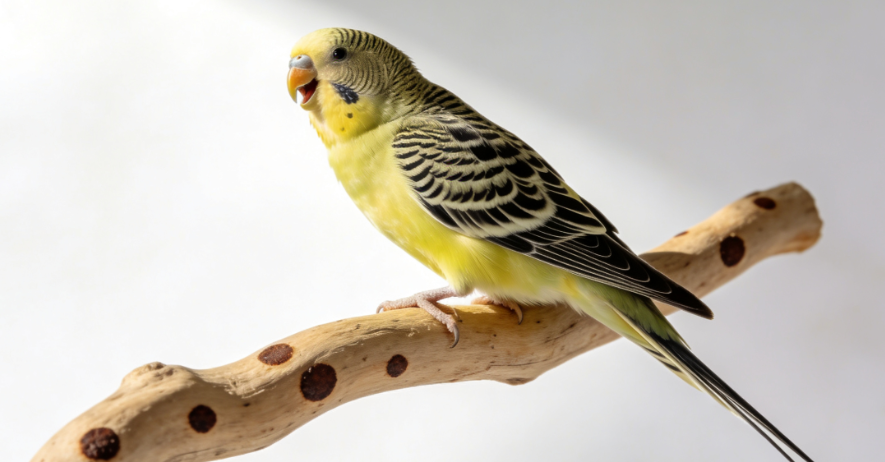
🎶 Step 2: Choose the Right “Teaching Tunes” (Keep It Simple!)
Forget complex songs or pop hits—parakeets learn best with short, repetitive, high-pitched melodies. Their vocal range matches simple whistles or nursery rhymes, so stick to tunes that are easy to repeat consistently.
Top 3 Beginner-Friendly Tunes:
- “Twinkle Twinkle Little Star” (the first 4 notes—“Twinkle, twinkle, little star”)
- Simple 2-note whistles (e.g., a high “peep” followed by a lower “chirp”)
- “Happy Birthday” (the chorus, slowed down)
Pro Tip:
Pick one tune and stick with it—switching between songs confuses your parakeet. I started with “Twinkle Twinkle” because its repetition made it easy for Blue to catch on.
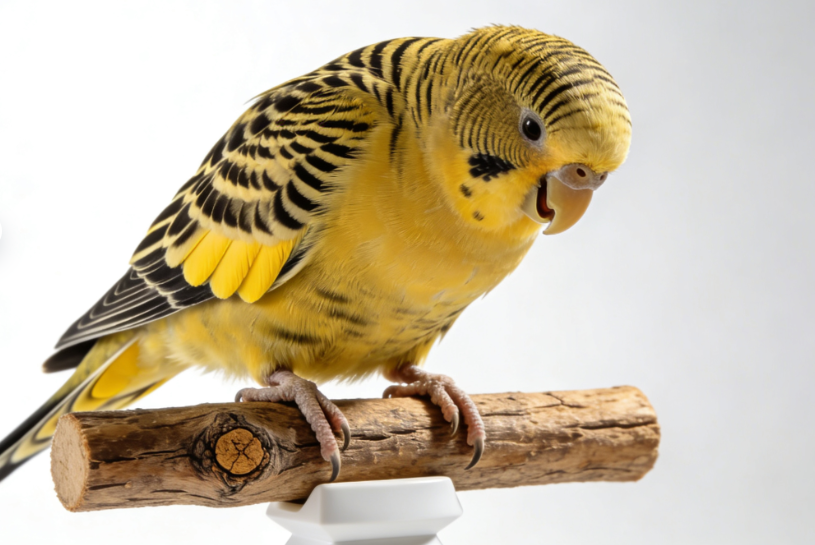
⏰ Step 3: Train at the Right Time (Ride Their Energy Peaks)
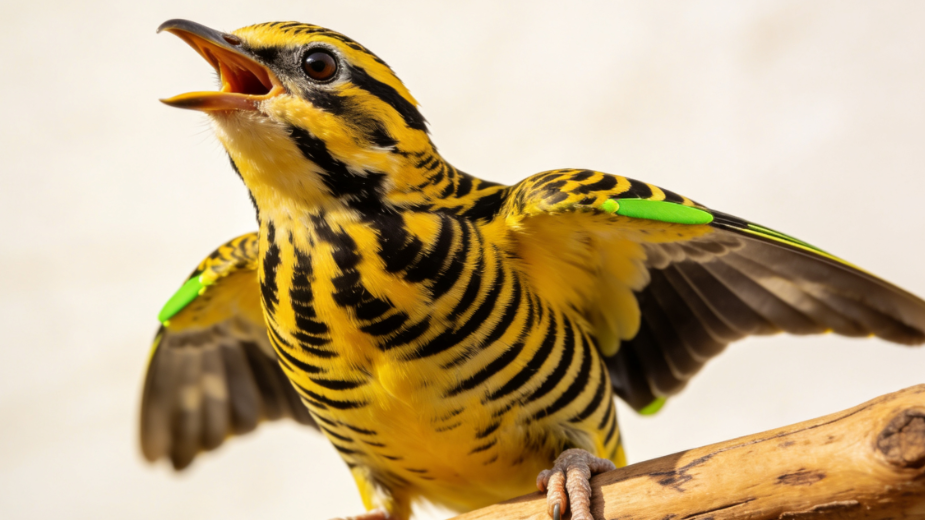
Parakeets are most active and vocal at dawn and dusk—this is their natural “communicating time” in the wild. Training during these windows (15–30 minutes after sunrise, or 1 hour before sunset) will yield the best results.
How to Do It:
- Set a daily schedule: Train for 5–10 minutes, once or twice a day. Longer sessions (over 15 minutes) will tire your bird and make him lose interest.
- Create a “training spot”: Sit in the same chair near his cage each time, and hold the treat in your hand. Consistency helps him associate this spot and routine with “singing practice.”
- Sing/whistle the tune slowly and clearly: Repeat the same 4–5 notes 5–6 times in a row. Pause for 2 seconds after each repetition—give him time to process and respond.
Example Routine:
- 7:00 AM: Wake up, sit by Blue’s cage, whistle “Twinkle Twinkle” 6 times, offer a millet treat if he chirps or tries to mimic.
- 6:00 PM: Repeat the same tune, praise him softly if he makes any similar sounds.
🍴 Step 4: Use Positive Reinforcement (Treats = Motivation)
Parakeets learn faster when good behavior is rewarded—this is called “positive reinforcement.” The key is to reward effort, not just perfect mimicry.
What to Do:
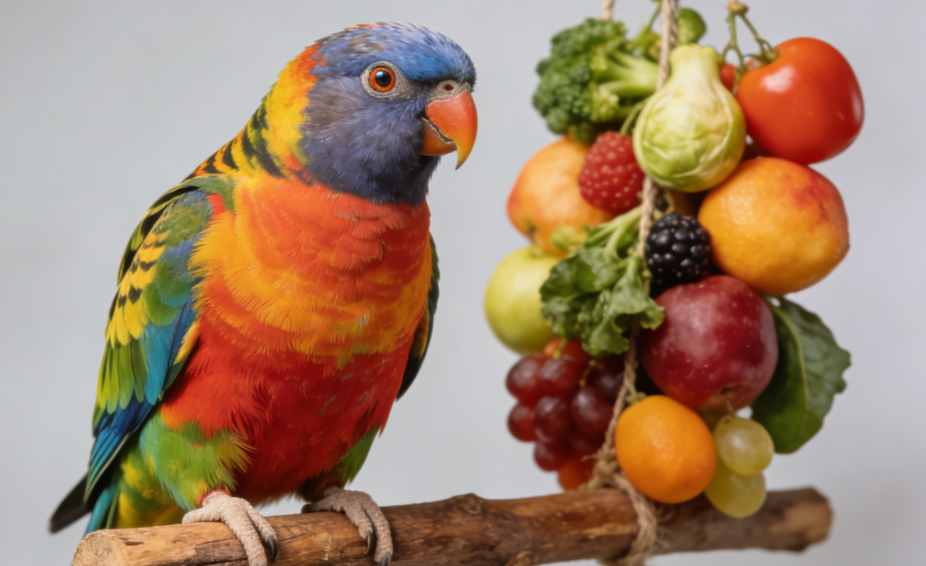
- Have treats ready: Use small, healthy rewards—millet sprays, sunflower seeds, or tiny pieces of apple (avoid sugary or salty snacks).
- Reward immediately: If he chirps along, tilts his head and tries to copy your whistle, or even makes a sound that’s close to the tune, give him a treat within 1 second. Say “Good bird!” in an excited (but not loud) voice to reinforce the behavior.
- Ignore bad behavior: If he squawks, bites, or flies to the other side of the cage, don’t scold him—just stop the session and try again later. Scolding will make him associate training with stress.
Why It Works:
Parakeets don’t understand “no”—they only understand what gets them rewards. By celebrating small wins, you’re teaching him that “mimicking your tune = treats and praise,” which motivates him to keep trying.
🧘 Step 5: Be Patient & Repeat (Consistency Beats Perfection)
Training a parakeet to sing takes time—don’t expect results in a week. Blue took 6 weeks to whistle a clear tune, and some parakeets take 2–3 months. The key is to stay consistent and avoid frustration.
How to Stay on Track:
- Keep sessions short and fun: 5 minutes of focused training is better than 20 minutes of forced practice. If your bird seems bored (preening, ignoring you), end the session early—you can try again later.
- Repeat the tune everywhere: Whistle the same tune while refilling his water, feeding him, or sitting next to his cage. The more he hears it, the more familiar it becomes.
- Record your progress: Take a short video each week to track his improvement. You’ll be surprised how quickly small chirps turn into clear whistles!
When to Adjust:
If your parakeet hasn’t made any progress after 4 weeks, try switching to a simpler tune. Some parakeets prefer whistles over songs, or vice versa—pay attention to what gets him excited.
❌ 3 Common Mistakes to Avoid
- Forcing the Bird: Never hold him down or shout the tune—this erodes trust and makes him fear training.
- Training Too Long: Parakeets have short attention spans (5–10 minutes max). Longer sessions lead to frustration for both of you.
- Choosing Complex Tunes: Save songs with multiple verses for later—start with 2–4 simple notes. Complex tunes overwhelm beginners (both you and the bird!).
🌟 Final Thought: It’s About Bonding, Not Perfection
Blue doesn’t sing “Twinkle Twinkle” perfectly—he skips a note sometimes and adds his own little chirps. But that’s part of the magic. Training him to sing wasn’t just about getting a cute trick—it was about spending quality time together, learning his personality, and building a deeper bond.
As a first-time bird owner, don’t put pressure on yourself or your parakeet. Some parakeets sing more than others, and that’s okay. The goal is to have fun and enjoy the process. Even if he never masters a full tune, the time you spend together will make him happier and more social.
💬 Your Turn: Have you tried training your parakeet to sing? What tune did you choose, and how did it go? Or are you planning to start? Share your stories in the comments below—I’d love to cheer you on!