My best friend Emma has always been obsessed with cats—she’d scroll through cat TikTok for hours, volunteer at animal shelters on weekends, and beg her parents for one as a kid. But there was a catch: she’s severely allergic to cats. A single brush against a feline would leave her sneezing, itchy, and with red, watery eyes. For years, she accepted that her love of pets and her allergies were mutually exclusive—until she met Oliver, a scruffy rescue cat she couldn’t bear to leave behind.
After months of trial and error, consulting allergists, and tweaking her routine, Emma now lives happily with Oliver. The secret? It’s not about “eliminating” allergies (that’s nearly impossible) but about reducing exposure to pet allergens (the proteins in skin flakes, saliva, and urine that trigger reactions) and boosting your body’s tolerance. If you’re one of the 1 in 5 people who suffer from pet allergies but refuse to give up on having a furry friend, this guide is for you.
I’ll break down actionable, science-backed tips that work for real-life pet owners—no fancy gadgets or extreme measures required. We’ll cover everything from choosing the right pet to cleaning hacks, grooming routines, and medication that actually helps. Let’s dive in!
🐾 First: Understand What’s Actually Causing Your Allergies
Before we fix the problem, let’s get clear on what’s triggering you. Contrary to popular belief, pet hair itself isn’t the allergen—it’s the dander (dead skin cells) that sticks to the hair, plus proteins in your pet’s saliva (they lick their fur, spreading it everywhere) and urine.
For dogs, the main allergen is Can f 1 (found in dander and saliva). For cats, it’s Fel d 1 (a protein in saliva and sebaceous glands—cats spread it by grooming, and it’s so tiny it can float in the air for hours). Some people react more to one than the other, so knowing your trigger can help you target your efforts.
🩺 Allergist Insight: “Many people think ‘hypoallergenic’ pets are a magic fix, but no breed is 100% allergen-free,” says Dr. James Wilson, a board-certified allergist in Chicago. “What matters is how much allergen a pet produces, how often they groom themselves, and how you manage your environment.”
1. Choose the Right Pet (If You Haven’t Adopted Yet)
If you’re still looking for a furry friend, some breeds are better for allergy sufferers than others. The key factors:
Low-shedding coats: Less shedding = less dander spread.
Less grooming: Pets that groom themselves less (or need regular human grooming) spread less saliva-based allergen.
Smaller size: Smaller pets produce less dander overall (though this isn’t a hard rule).
Best Dog Breeds for Allergy Sufferers:
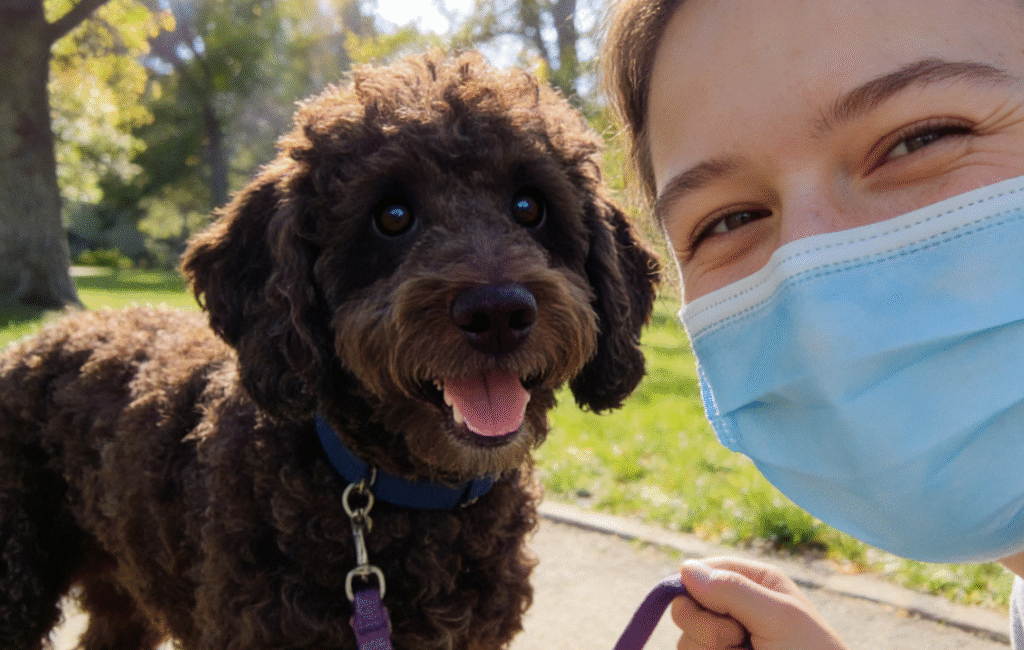
Poodles (Standard, Miniature, Toy): Hypoallergenic, low-shedding, and produce less Can f 1.
Bichon Frise: Fluffy but low-shedding, with a coat that traps dander.
Portuguese Water Dog: Minimal shedding and easy to groom.
Schnauzers (Miniature, Standard): Wiry coat that doesn’t shed much.
Best Cat Breeds for Allergy Sufferers:
Sphynx: Hairless (but not completely—they have fine fuzz), so less dander spread. Note: They still produce Fel d 1, so you’ll need to groom their skin!
Devon Rex/Cornish Rex: Short, curly fur that sheds very little.
Balinese: Long-haired but low-shedding, and some studies show they produce less Fel d 1.
Pro Tip: Spend Time with the Pet First!
Allergies can vary by individual—you might react to one Poodle but not another. Before adopting, spend 30+ minutes in the same room as the pet. If you start sneezing or itching, it’s a sign you’ll need extra precautions (or maybe a different pet). Emma tested her reaction to Oliver by visiting him at the shelter three times before bringing him home—each time, her symptoms got milder as her body adjusted.
2. Create an “Allergy-Safe Zone” in Your Home
The most effective way to manage allergies is to designate one room (preferably your bedroom) as a pet-free zone. This gives you a space to escape allergen exposure, especially at night (when you’re breathing deeply for 8+ hours).
How to Set Up Your Safe Zone:
Ban pets from the room: Use a baby gate or keep the door closed. Be consistent—if you let your pet in once, they’ll keep coming back!
Invest in HEPA air purifiers: Place one in your safe zone and one in high-traffic areas (like the living room). HEPA filters trap 99.97% of airborne allergens, including dander and Fel d 1. Emma uses a Dyson Pure Cool in her bedroom, and she swears it’s reduced her morning sneezing by 80%.
Use allergen-proof bedding: Cover your mattress, pillows, and comforter with hypoallergenic covers. Wash sheets weekly in hot water (130°F/54°C) to kill dust mites and remove dander.
Avoid carpet: Carpet traps dander, dust, and hair—hardwood, tile, or vinyl flooring is easier to clean. If you have carpet, vacuum it 2-3 times a week with a HEPA-filter vacuum.
3. Groom Your Pet Like a Pro (Reduce Allergens at the Source)
Grooming is non-negotiable for allergy-friendly pet care—it removes loose dander, hair, and saliva from your pet’s coat before it spreads around your home.
Grooming Tips for Dogs:
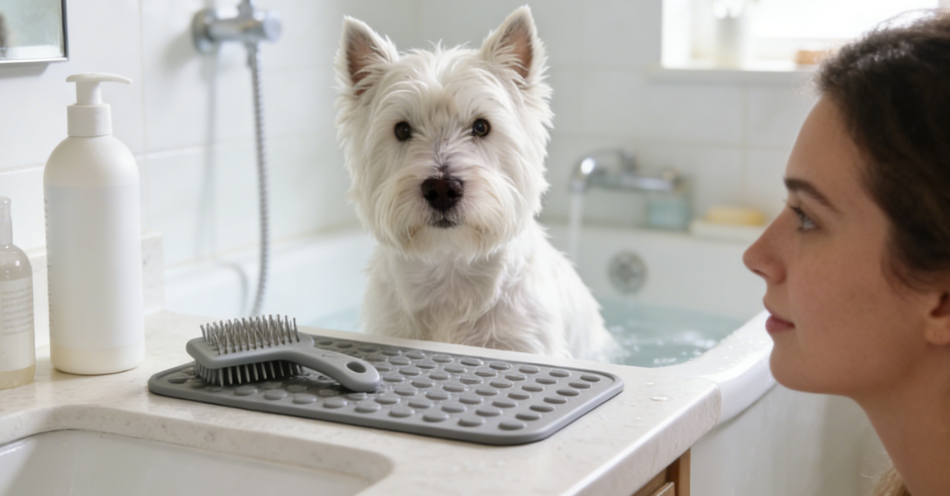
Bathe them every 2-4 weeks: Use a gentle, hypoallergenic dog shampoo. Bathing reduces dander and washes away saliva. Don’t bathe them more often—over-bathing dries out their skin, leading to more dander production.
Brush outside: Use a slicker brush or rubber grooming tool to remove loose hair and dander. Doing this outside prevents allergens from floating into your home.
Trim hair regularly: For long-haired breeds, keep their coat short to reduce dander buildup.
Grooming Tips for Cats:
Brush daily (yes, daily!): Cats groom themselves constantly, so brushing removes saliva-covered hair before they shed it. Use a fine-tooth comb or rubber brush—Emma brushes Oliver every night while watching TV, and it’s become a bonding ritual.
Wipe them down with pet wipes: If your cat hates baths (most do!), use hypoallergenic pet wipes to clean their fur 2-3 times a week. This reduces dander and Fel d 1 without stressing them out.
Trim their nails: Less scratching = less dander and saliva on furniture.
Pro Tip: Get Help Grooming!
If grooming your pet triggers your allergies, ask a friend, family member, or professional groomer to do it. Many groomers offer “allergy-friendly” services, like bathing and brushing outside.
4. Clean Smart (Not Obsessively)
You don’t need to deep-clean your house every day, but strategic cleaning can drastically reduce allergen levels. Focus on high-touch, high-dander areas:
Daily/Weekly Cleaning Tasks:
Vacuum with a HEPA filter: Vacuum carpets, rugs, furniture, and pet beds 2-3 times a week. Empty the vacuum bag immediately (don’t let dander sit inside!).
Dust with a damp cloth: Dry dusting just moves dander around—use a damp microfiber cloth to wipe down shelves, tables, and windowsills.
Wash pet beds and toys: Launder your pet’s bed, blankets, and soft toys weekly in hot water. For non-washable toys, wipe them down with pet-safe disinfectant.
Swipe floors: Mop hardwood/tile floors weekly with a pet-safe cleaner. Avoid harsh chemicals—they can irritate your pet’s skin and worsen dander production.
Monthly Cleaning Tasks:
Clean air purifier filters: Replace HEPA filters every 3-6 months (follow the manufacturer’s instructions).
Vacuum curtains and drapes: Curtains trap dander and dust—use the upholstery attachment on your vacuum to clean them.
Deep-clean pet areas: Scrub litter boxes (for cats) or dog crates with hot water and soap. For litter boxes, use a covered one to reduce dust and place it in a well-ventilated area.
5. Manage Your Allergies with Medication (When Needed)
Even with perfect grooming and cleaning, you might still need medication to control your symptoms. Talk to your allergist about the best options for you—here are the most common (and effective) ones:
Over-the-Counter (OTC) Medications:
Antihistamines: Drugs like cetirizine (Zyrtec), loratadine (Claritin), or fexofenadine (Allegra) block histamine, which causes sneezing, itching, and runny noses. They’re non-drowsy for most people.
Nasal sprays: Fluticasone (Flonase) or mometasone (Nasonex) reduce inflammation in your nasal passages. Use them daily for best results—they take a few days to kick in.
Allergy shots (immunotherapy): If OTC meds aren’t enough, your allergist might recommend allergy shots. They expose your body to small amounts of pet allergens over time, building up your tolerance. Emma gets monthly shots, and she says her symptoms have decreased by 50% in a year.
Prescription nasal sprays/antihistamines: Stronger versions of OTC meds for severe allergies.
Important: Avoid These “Remedies”
Air fresheners or essential oils: They don’t remove allergens—they just mask the smell. Some oils can also irritate your pet’s respiratory system.
Dander “neutralizers”: Many products claim to “kill” allergens, but there’s little scientific evidence they work. Stick to HEPA filters and cleaning instead.
6. Lifestyle Hacks to Reduce Exposure
Small changes to your daily routine can make a big difference in managing allergies:
Wash your hands after touching your pet: Don’t touch your face, eyes, or nose after petting your furry friend.
Change clothes after playing outside: If you and your pet play in the yard, change into clean clothes when you come inside—dander and pollen can stick to fabric.
Keep humidity levels between 30-50%: Dry air worsens allergy symptoms, but high humidity (above 50%) promotes mold growth. Use a humidifier in winter and a dehumidifier in summer.
Stay active: Exercise boosts your immune system, which can help your body tolerate allergens better. Just avoid working out outdoors on high-pollen days.
❌ Common Mistakes to Avoid
Believing “hypoallergenic” means “no allergies”: As Dr. Wilson said, no pet is 100% hypoallergenic. You’ll still need to follow grooming and cleaning routines.
Over-bathing your pet: This dries out their skin, leading to more dander. Stick to the recommended bathing schedule.
Skipping the safe zone: Your bedroom should be a pet-free haven—don’t compromise on this!
Using harsh cleaning products: They irritate your pet’s skin and can trigger more dander production. Opt for natural, pet-safe cleaners.
Giving up too soon: It takes time for your body to adjust to a pet. Emma’s symptoms were bad for the first month, but they improved as she stuck to her routine.
🌟 Final Thought: It’s Worth the Effort
Living with pets when you’re allergic isn’t always easy—there will be days when you sneeze through breakfast or wake up with itchy eyes. But for Emma, the joy of coming home to Oliver’s purrs and snuggles far outweighs the minor inconveniences.
The key is to be realistic: you might never be 100% symptom-free, but with the right combination of pet choice, grooming, cleaning, and medication, you can live comfortably with your furry friend. Don’t let allergies rob you of the love and companionship that pets bring—you just need to work smarter, not harder.
💬 Your Turn: Do you live with pets despite allergies? What tips have worked for you? Or are you hesitant to adopt because of allergies—what’s holding you back? Share your stories in the comments below—I’d love to hear from you!