
Exotic pets like sugar gliders and ferrets bring unique joy—their playful personalities and quirky behaviors make them stand out from traditional cats and dogs. But as a former sugar glider owner (shoutout to my late buddy, Nimbus) and current ferret parent to Milo, I’ve learned the hard way: these furry friends have very specific health needs. Unlike dogs, you can’t wing their care—ignoring their unique requirements leads to costly vet bills, stressed pets, and shortened lifespans.
This guide breaks down essential health care tips for both sugar gliders and ferrets, tailored to beginners. We’ll cover diet dos and don’ts, habitat must-haves, red flags to watch for, and daily care routines that keep these exotic pets happy and healthy. Let’s dive in!
🐾 Sugar Glider Health Care Essentials
Sugar gliders are tiny, social marsupials native to Australia—they’re nocturnal, arboreal (tree-dwelling), and thrive on bonding. Their health hinges on mimicking their natural lifestyle as closely as possible.
1. Diet: The #1 Key to Longevity (Avoid the “Fruit-Only” Trap!)
Sugar gliders are omnivores with a very specific nutritional balance—too much fruit causes obesity and tooth decay, while a protein-poor diet leads to muscle loss.
✅ What to Feed:
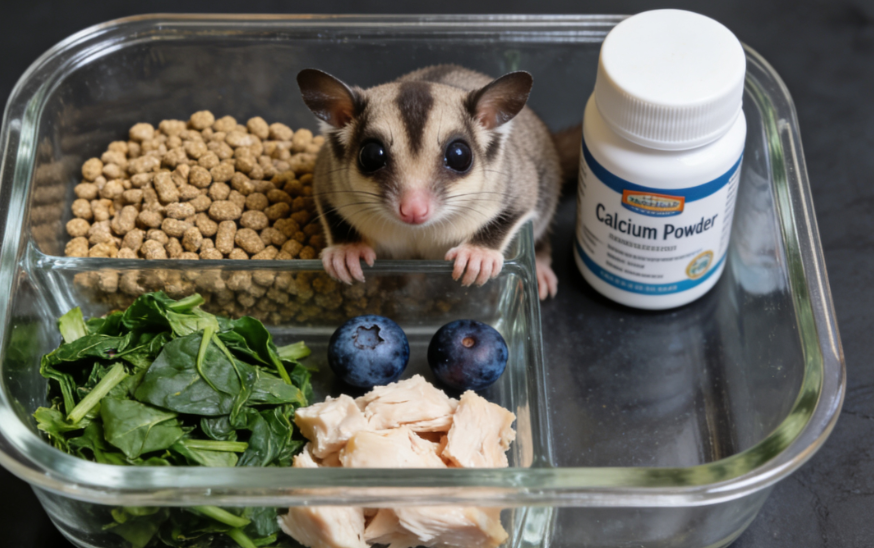
- Base Diet: High-quality sugar glider pellet mix (60%) + fresh vegetables (20%) + lean protein (15%) + occasional fruit (5%).
- Protein Sources: Cooked chicken (no salt/spices), boiled eggs (chopped), mealworms (dried or live—limit to 2-3/week).
- Veggie Picks: Kale, spinach, carrots, bell peppers (chopped into tiny pieces).
- Fruit Treats: Blueberries, mango, apple (remove seeds!)—only 1-2 pieces per day.
- Critical Add-On: Calcium supplement (sprinkled on food 2x/week) to prevent metabolic bone disease (a top killer of sugar gliders).
❌ What to Avoid:
- Dairy, chocolate, caffeine, avocado (all toxic!).
- High-sugar fruits (grapes, bananas) in large quantities.
- Seeds or nuts (choking hazards + high fat).
🐾 Vet Insight: “Sugar gliders need a 2:1 calcium-to-phosphorus ratio,” says Dr. Lisa Carter, an exotic pet vet in Portland. “Most beginners overfeed fruit, which throws this balance off—stick to pellets as the base.”
2. Habitat: Space, Safety, and Socialization
Sugar gliders are active at night—they need room to climb, glide, and play to stay mentally and physically healthy.
Must-Have Habitat Features:
- Cage Size: Minimum 36x24x48 inches (tall > wide—they climb vertically!).
- Bedding: Paper-based bedding (avoid cedar/pine—toxic fumes irritate their respiratory systems).
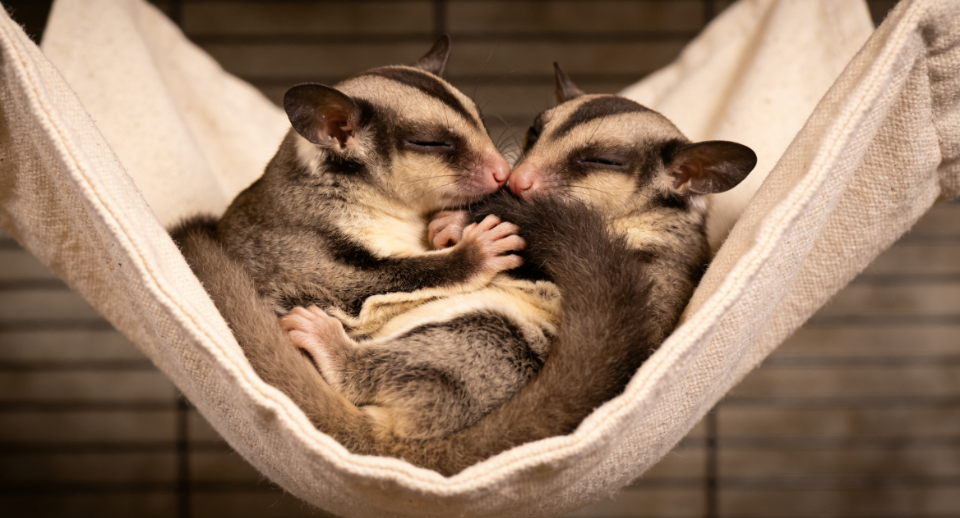
- Enrichment: Rope perches, wooden chew toys, hanging pouches (they sleep in nests!), and a gliding platform (place 3+ feet high for short glides).
- Social Needs: They’re colony animals—keep at least two gliders (same gender if not breeding) to prevent loneliness-induced depression (which leads to self-mutilation).
3. Common Health Red Flags (Act Fast!)
Sugar gliders hide illness well—watch for these signs:
- Lethargy (sleeping more than 18 hours/day) or loss of appetite.
- Bald patches (from stress or mites) or dull, matted fur.
- Swollen joints or limping (signs of metabolic bone disease).
- Diarrhea or dark, tarry stool (digestive issues or parasites).
4. Daily Care Routine (15 Minutes/Day)
- Spot-clean the cage (remove waste and soiled bedding).
- Refresh food and water (use a water bottle—bowls get dirty fast).
- Let them out for 30-60 minutes of supervised play (close windows/doors—they’re escape artists!).
- Check their teeth and nails (trim nails monthly if they don’t wear them down naturally).
🦨 Ferret Health Care Essentials
Ferrets are energetic, curious mustelids—they’re often called “weasels with attitude” and have a lifespan of 6-10 years. Their health needs revolve around their high metabolism, carnivorous diet, and love of mischief.
1. Diet: Strict Carnivores—No Veggies, No Grains!
Ferrets have short digestive tracts designed for meat—they can’t process plant-based foods. Feeding them cat food (a common mistake!) leads to malnutrition.
✅ What to Feed:
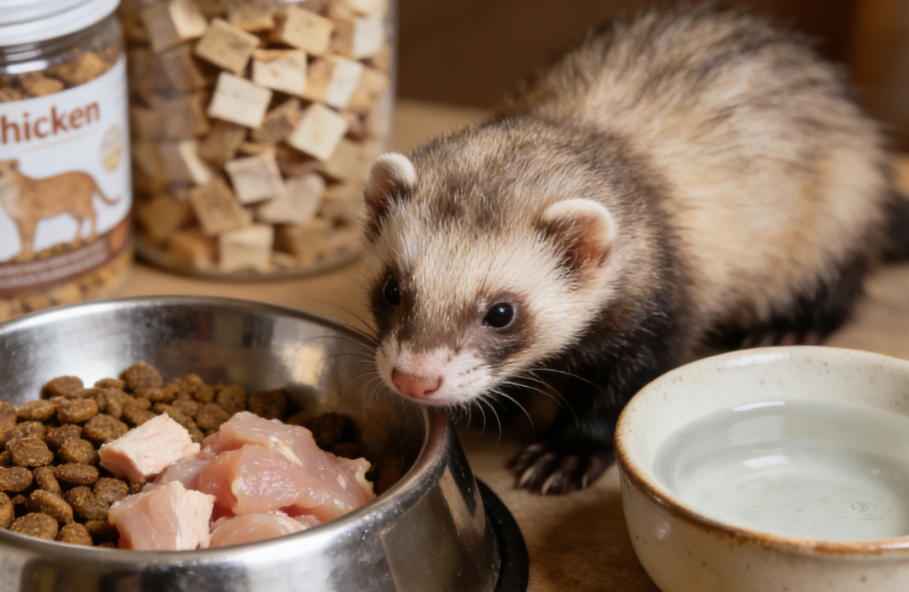
- Base Diet: High-quality ferret kibble (38-40% protein, 18-20% fat) or raw meat diet (chicken, turkey, beef—no bones!).
- Treats: Freeze-dried chicken hearts, small pieces of cooked meat (no seasonings).
- Water: Fresh, clean water available 24/7 (use a bowl—they drink more than gliders and hate water bottles).
❌ What to Avoid:
- Cat/dog food (lacks essential nutrients like taurine).
- Fruits, veggies, grains, or dairy (causes diarrhea and bloating).
- Sugary treats (leads to insulinoma, a common ferret cancer).
🐾 Personal Experience: I made the mistake of feeding Milo cat food for his first month—he lost weight and had constant diarrhea. Switching to ferret-specific kibble fixed it within a week!
2. Habitat: Spacious, Secure, and Stimulating
Ferrets are chewers, diggers, and escape artists—their cage needs to be Fort Knox-level secure.
Must-Have Habitat Features:
- Cage Size: Minimum 30x18x36 inches (multi-level cages work best—they love to climb).
- Bedding: Fleece liners (washable, soft) or paper bedding (avoid clay litter—they’ll eat it!).
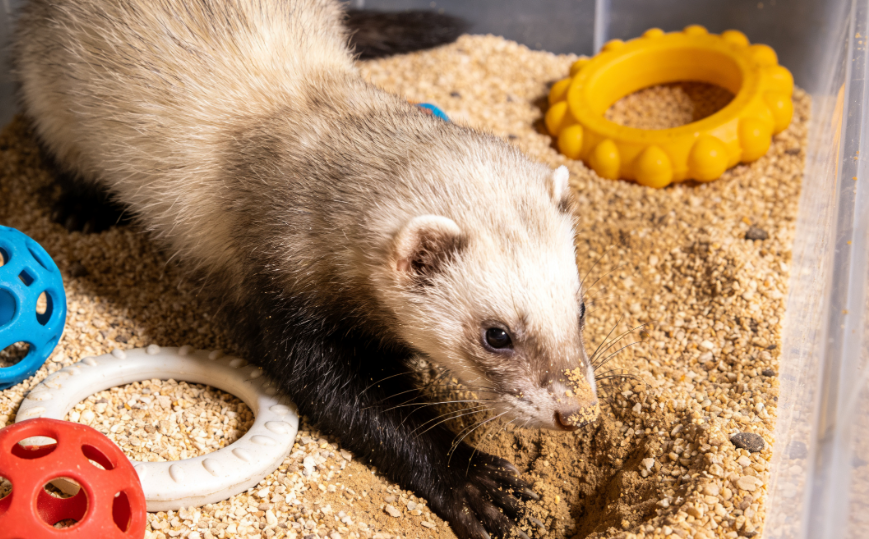
- Enrichment: Tunnels, chew toys (rubber or wooden—no plastic!), puzzle feeders, and a digging box (filled with rice or sand).
- Playtime: 2-3 hours of supervised out-of-cage time daily—they need to burn off energy to avoid obesity and boredom.
3. Common Health Red Flags (Don’t Ignore These!)
Ferrets are prone to specific health issues—here’s what to watch for:
- Weight loss or increased thirst/urination (signs of insulinoma or adrenal disease).
- Hair loss (especially on the tail or back—adrenal disease is common in middle-aged ferrets).
- Lethargy or reluctance to play (could be anemia or infection).
- Vomiting or diarrhea (parasites or dietary issues).
4. Daily Care Routine (20 Minutes/Day)
- Clean the litter box (ferrets are litter-trainable—use a corner box!).
- Refresh food and water (they eat small meals 6-8 times/day—don’t overfill the bowl).
- Grooming: Brush short-haired ferrets weekly (long-haired varieties need bi-weekly brushing) to reduce shedding.
- Check for ear mites (common in ferrets)—look for dark, crusty discharge in ears.
🚨 Critical Care Tips for All Exotic Pet Owners
- Find an Exotic Pet Vet: Regular vets don’t treat gliders or ferrets—look for a vet with experience in marsupials/mustelids. Schedule annual checkups (bi-annual for seniors).
- Avoid Overhandling: Both gliders and ferrets get stressed by too much grabbing—let them come to you.
- Quarantine New Pets: If adding a new glider/ferret, keep them separate for 2 weeks to prevent disease spread.
- Emergency Prep: Have a pet first-aid kit and your vet’s after-hours number handy—exotic pets deteriorate fast when sick.
🌟 Final Thought: Exotic Pets Are a Commitment—But Worth It
Caring for sugar gliders and ferrets isn’t always easy—they require more work than traditional pets, and their health needs are non-negotiable. But the joy of watching a sugar glider glide across your living room or a ferret chase a toy with endless energy? Priceless.
The key is to do your research before bringing one home—don’t impulse-buy these pets because they’re “cute.” By following these health tips, you’ll give your exotic friend a long, happy life filled with love and play.
💬 Your Turn: Do you own a sugar glider, ferret, or another exotic pet? What’s the biggest health care challenge you’ve faced? Share your stories in the comments below—I’d love to learn from your experiences!
