
When my neighbor’s 8-year-old begged for a rabbit last Christmas, they faced the same question millions of families grapple with: Are bunnies really good pets for kids? On the surface, rabbits seem perfect—fluffy, quiet, and undeniably cute. But as a rabbit owner and mom of two, I’ve seen firsthand that while rabbits can make wonderful family pets, they’re not the “low-effort” companion many parents assume.
The truth lies in matching your family’s lifestyle, your child’s maturity level, and the right rabbit breed. Below, I break down the honest pros and cons, share the most kid-friendly rabbit breeds (vetted by vets and experienced rabbit parents), and offer practical tips to make the experience positive for everyone—kids, parents, and bunnies alike.
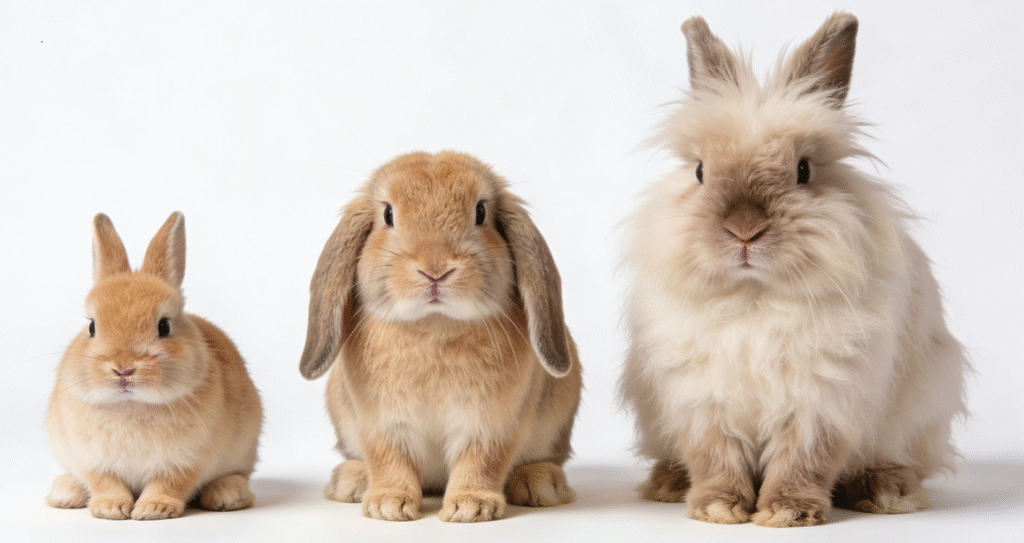
🐇 Pros of Rabbits as Pets for Kids
Rabbits bring unique benefits to family life, especially for kids learning about responsibility and empathy:
1. They Teach Valuable Life Skills
Caring for a rabbit requires consistency—feeding, refilling water, cleaning the litter box, and gentle play. My 10-year-old helps with our rabbit, Thistle, by refilling her hay every morning and giving her fresh veggies at night. These small tasks teach her accountability: “If I forget Thistle’s food, she gets hungry!” Rabbits also model calm behavior, teaching kids to slow down and be gentle.
2. They’re Quiet & Apartment-Friendly
Unlike barking dogs or squawking birds, rabbits are nearly silent (they make soft purring or thumping sounds, but nothing loud). This makes them ideal for families in apartments or neighborhoods with noise restrictions. Thistle lives happily in our small city home—she doesn’t need a yard, just a safe indoor space to hop around.
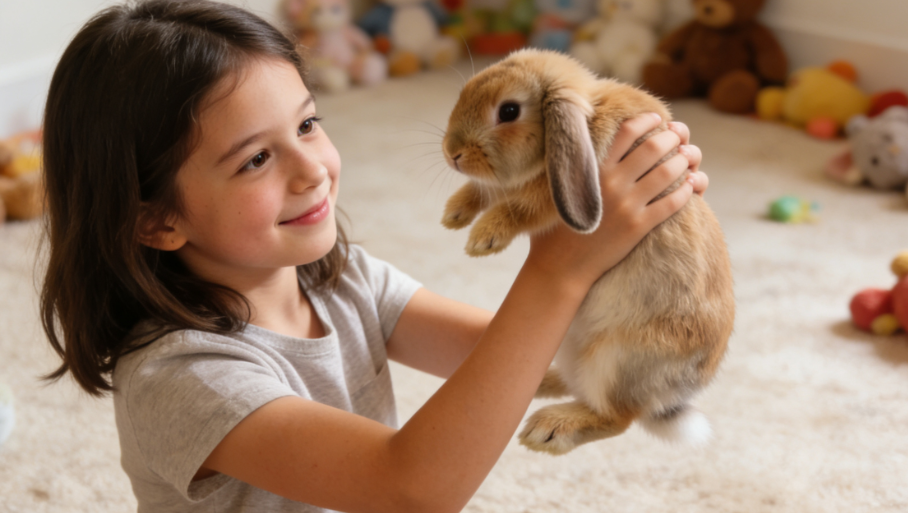
3. They’re Affectionate (When Bonded)
Once a rabbit trusts you, they’re incredibly loving. Thistle greets us at the cage door, licks our hands, and even curls up on the couch next to my kids while they read. This bond helps kids build empathy: they learn to recognize when Thistle is tired (she flops on her side) or happy (she does “binkies”—joyful jumps in the air).
4. They Have a Long Lifespan (Commitment, but Rewarding)
Rabbits live 8–12 years (some even longer!), which means they can grow up with your child. Unlike goldfish or hamsters (which have short lifespans), rabbits become long-term family members, creating lasting memories. My neighbor’s daughter has had her rabbit, Clover, for 5 years—they’re inseparable.
⚠️ Cons of Rabbits as Pets for Kids
Rabbits aren’t for every family—these downsides are important to consider before bringing one home:
1. They’re Fragile & Require Gentle Handling
Rabbits have delicate bones and sensitive spines—rough handling (like grabbing their ears, squeezing them, or dropping them) can cause serious injury. Young kids (under 6) often lack the fine motor control to hold a rabbit properly, which puts the bunny at risk. Even older kids need constant reminders: “Support Thistle’s bottom!”
2. They’re Not “Cuddle Machines” (At First)
Rabbits are prey animals, so they’re naturally skittish. It can take weeks (or months) for a rabbit to feel comfortable being held. My kids were disappointed at first when Thistle ran away from them, but we taught them to sit on the floor and let her come to them. Patience is key—and not all kids have the tolerance for a pet that doesn’t want constant snuggles.
3. They Need Specialized Care (Not Low-Maintenance)
Contrary to popular belief, rabbits aren’t “beginner pets.” They require:
- A diet of unlimited hay (critical for their digestive health), fresh veggies (romaine lettuce, carrots in moderation), and high-quality pellets
- A large, clean cage (at least 30×36 inches for small breeds) + daily out-of-cage exercise (2+ hours)
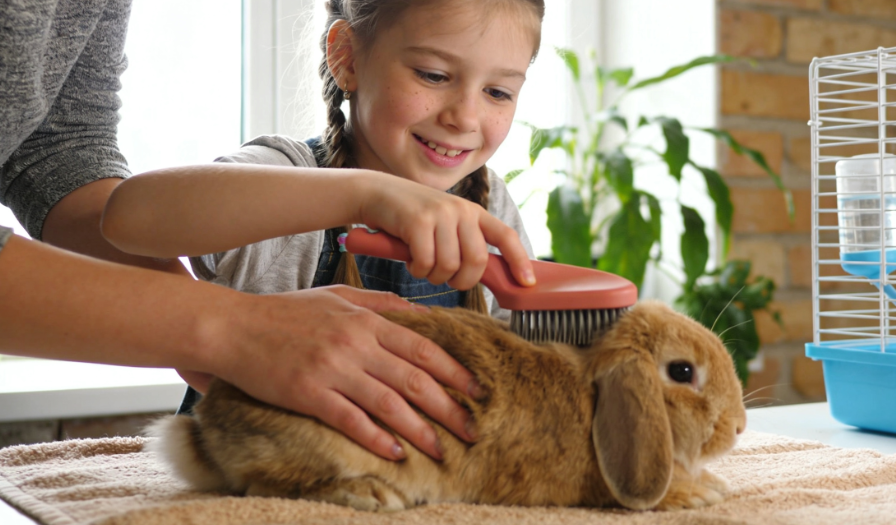
- Regular grooming (especially long-haired breeds) to prevent matting
- Annual vet visits to an exotic pet vet (regular dog/cat vets often don’t treat rabbits)
This care falls mostly on parents—kids can help, but they can’t handle it alone.
4. They’re Messy (Litter Training Has Limits)
While rabbits can be litter trained, accidents happen—especially if they’re scared or excited. Hay gets everywhere, veggies scraps need cleaning, and their litter boxes require daily scooping. My kids help wipe up spills, but I’m still the one deep-cleaning the cage weekly. If your family hates mess, a rabbit might not be the best fit.
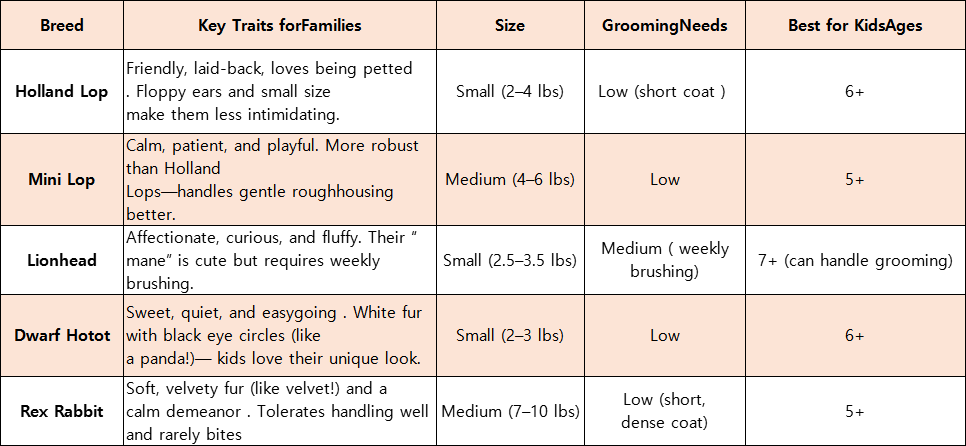
🌟 Top 5 Family-Friendly Rabbit Breeds (Kid-Approved!)
Not all rabbits are equally suited for kids. Look for breeds that are calm, gentle, and tolerate handling. These 5 breeds come highly recommended by vets and rabbit rescue organizations:
Pro Tip: Adopt, Don’t Shop!
Many rescue rabbits are already litter trained, spayed/neutered, and socialized—perfect for families. My Thistle is a rescue Holland Lop, and she came with a clean bill of health and a gentle personality. Check local rabbit rescues or shelters before buying from a breeder.
📝 Practical Tips for Families: Making It Work
If you decide a rabbit is right for your family, follow these tips to set everyone up for success:
1. Set Clear Parent Boundaries
Kids will promise to “do everything,” but parents need to take responsibility for:
- Vet visits and medical care
- Deep cage cleanings
- Monitoring diet (no sugary treats or unsafe foods like iceberg lettuce!)
- Supervising interactions with young kids
2. Teach Kids How to Handle a Rabbit (Safely!)
Show your child the correct way to hold a rabbit:
- Crouch down to their level (don’t tower over them—scary for bunnies!)
- Place one hand under their chest and the other under their bottom
- Keep them close to your body (no swinging or lifting high)
- Never grab their ears, legs, or scruff
Practice with a stuffed animal first, then supervise every real interaction.
3. Create a Rabbit-Safe Space
Rabbits love to explore, but they’re curious chewers. Rabbit-proof your home by:
- Covering electrical cords with cord protectors
- Blocking access to furniture legs (they chew wood!)
- Removing toxic plants (lilies, ivy, daffodils—deadly to rabbits!)
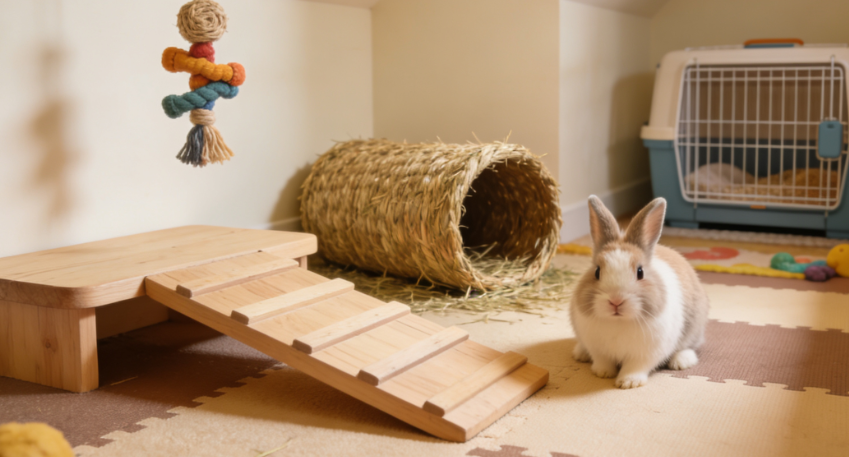
- Giving them a designated playpen with toys (cardboard tubes, willow balls)
4. Start Slow with Bonding
Don’t force your rabbit to interact with your child. Let the bunny approach first—offer a treat (like a piece of parsley) and let them sniff your child’s hand. Over time, they’ll learn to associate your child with good things.
🐾 Expert Insight: What Vets & Rabbit Experts Say
“Rabbits can be great pets for kids, but only if parents are prepared to be the primary caregivers,” says Dr. Emily Carter, a certified exotic animal vet. “Kids can take on age-appropriate tasks, but rabbits have complex needs that require adult oversight. The best matches are families with kids who are patient, gentle, and willing to respect the rabbit’s boundaries.”
Rabbit rescues also emphasize maturity over age: “A 7-year-old who can sit quietly and follow rules is a better fit than a 10-year-old who’s rough or impulsive,” says Sarah Johnson, director of a rabbit rescue in Portland. “It’s about the child’s personality, not their age.”
🌟 Final Thought: It’s About the Right Fit
Rabbits aren’t the right pet for every family—but when the fit is good, they’re magical. My kids have learned so much from Thistle: empathy, responsibility, and the joy of slow, gentle connection. She’s not just a pet—she’s a member of our family.
If you’re considering a rabbit for your child, ask yourself: Are we prepared for the long-term care? Can our child be gentle and patient? Do we have the time and resources to meet a rabbit’s needs? If the answer is yes, a family-friendly breed could be the perfect addition to your home.
💬 Your Turn: Do you have a rabbit and kids? How has the experience been? Or are you debating bringing a bunny home? Share your thoughts in the comments below—I’d love to hear from you!