

As a pet owner and a sustainable living enthusiast, I used to think I had to choose between a stylish home, an eco-friendly lifestyle, and a pet-safe space. My couch was covered in pet hair (and scratches), my floors suffered from accidental spills, and the “pet corner” felt like a cluttered afterthought rather than part of my home’s design. But in 2026, the narrative is changing across Europe and North America: pet-friendly living doesn’t have to mean sacrificing style or sustainability.
The latest trend in home design is “pet-inclusive sustainability”—creating spaces that work for both humans and pets while minimizing environmental impact. From recycled material furniture that stands up to clawing to non-toxic finishes that keep curious paws safe, this movement proves that you can have a home that’s beautiful, kind to the planet, and welcoming to your furry family member. A 2025 survey by the American Society of Interior Designers found that 68% of homeowners are now prioritizing pet-friendly features in their renovations, with 75% of those also demanding sustainable materials.
In this post, we’ll break down the key principles of pet-friendly sustainable home design, share room-by-room renovation ideas (from living rooms to bathrooms), and highlight eco-friendly products that blend functionality with style. Plus, we’ll include tips from interior designers and veterinarians to ensure your space is both aesthetically pleasing and pet-safe.
🌱 Core Principles of Pet-Friendly Sustainable Home Design
Before diving into specific renovations, it’s important to understand the three guiding principles that tie pet-friendliness and sustainability together. These principles ensure your space is functional, safe, and kind to the planet:
1. Durable, Recycled/Upcycled Materials
Choose materials that can withstand pet wear (clawing, chewing, spills) and are made from recycled or renewable resources. This reduces waste and means you won’t have to replace furniture/flooring as often—saving money and reducing your carbon footprint.
2. Non-Toxic, Low-VOC Finishes
Pets (especially cats and small dogs) are close to the ground and often lick surfaces, making them vulnerable to toxic chemicals. Opt for low-VOC (volatile organic compounds) paints, non-toxic adhesives, and natural floor finishes to keep them safe.
3. Multi-Functional Spaces
Design spaces that serve both human and pet needs. For example, a bench that doubles as a dog bed or a shelf that holds your books and your cat’s toys. This reduces clutter and maximizes space, eliminating the need for separate “pet-only” furniture that can feel out of place.
🏠 Room-by-Room Pet-Friendly Sustainable Renovation Ideas
Every room in your home can be transformed into a pet-friendly, sustainable space. Below are actionable ideas for the most high-traffic areas:
1. Living Room: Claw-Resistant, Eco-Friendly Furniture & Flooring
The living room is often the heart of the home—for both you and your pet. Here’s how to make it durable, stylish, and sustainable:
- Flooring: Replace carpet (which traps pet hair and odors) with bamboo, cork, or recycled rubber flooring. Bamboo and cork are renewable resources, while recycled rubber is durable, water-resistant, and soft on pet paws. Look for options with non-toxic adhesives (like the Eco Forest Bamboo Flooring or Tarkett Recycled Rubber Tiles).
- Couch & Chairs: Choose furniture upholstered in recycled polyester, hemp, or microfiber. These materials are resistant to clawing and stains, and they’re made from sustainable sources. Brands like West Elm offer a “Pet-Friendly Sustainable Collection” with couches made from 100% recycled polyester. Add a washable, organic cotton throw blanket to protect the upholstery—opt for ones made from GOTS-certified organic cotton (no pesticides or harmful dyes).
- Pet Nook: Create a built-in pet nook using reclaimed wood. A small bench under a window (with a cozy, machine-washable bed made from recycled materials) gives your pet a safe space while blending seamlessly with your decor. Add a small shelf above for their toys (store them in a woven basket made from recycled plastic).
2. Kitchen: Safe, Easy-to-Clean, Zero-Waste Spaces
The kitchen is a high-traffic area for pets (especially if they beg for food). Make it safe and sustainable with these changes:
- Counters & Backsplashes: Choose quartz or recycled glass countertops—they’re non-porous (resistant to spills and bacteria) and easy to clean. Recycled glass countertops (like Vetrazzo) are made from post-consumer glass, reducing landfill waste. Opt for low-VOC tile adhesive for backsplashes.
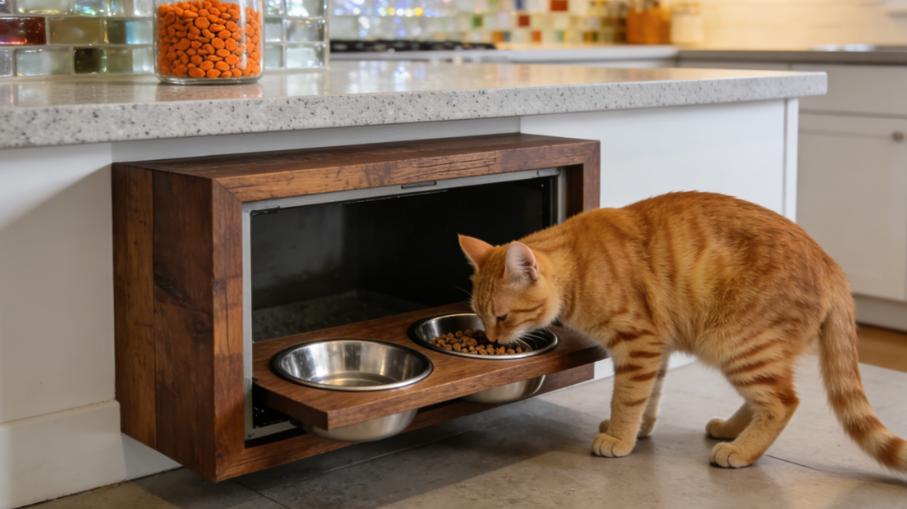
- Pet Feeding Station: Install a built-in feeding station using reclaimed wood to keep bowls off the floor (reducing spills and making cleaning easier). Use stainless steel or ceramic bowls (recycled materials preferred) instead of plastic (which can leach chemicals and harbor bacteria). Add a mat underneath made from recycled rubber to catch spills—brands like Gorilla Grip offer eco-friendly options.
- Storage: Use glass jars (reused from pasta sauce or pickles) to store pet food and treats—this reduces plastic waste and keeps food fresh. Install open shelves made from reclaimed wood to hold the jars and other pet essentials (like brushes or poop bags).
3. Bathroom: Pet-Safe, Water-Saving Renovations
Bathrooms can be dangerous for pets (slippery floors, toxic cleaning products) and wasteful (excessive water use). Here’s how to fix that:
- Flooring & Walls: Install slip-resistant, recycled porcelain tiles—they’re durable, water-resistant, and made from recycled materials. Use low-VOC grout to avoid toxic fumes. Add a non-slip mat made from recycled rubber to prevent your pet from slipping when they’re in the bathroom.
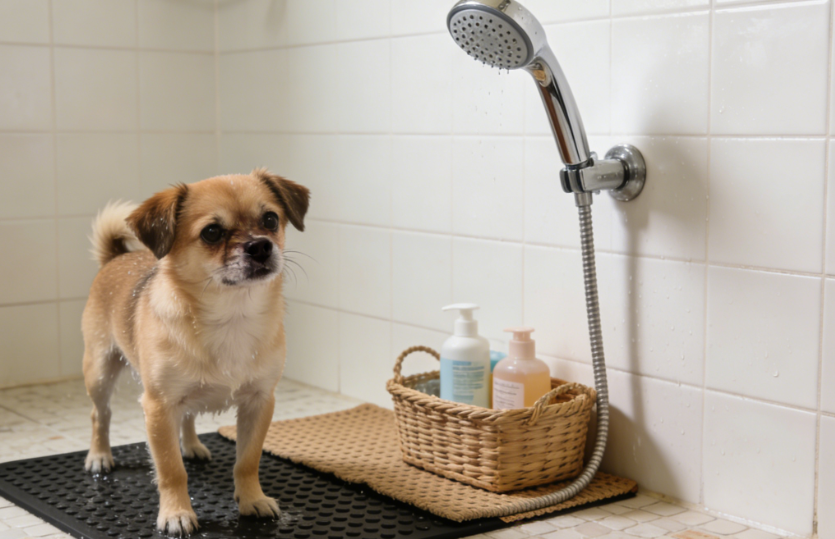
- Shower/Bathtub: If you bathe your pet at home, install a handheld showerhead with a low-flow option to save water. Add a pet-friendly shower mat (recycled rubber) to make bathing easier. Look for showerheads with the WaterSense label—they use 20% less water than standard models.
- Storage & Cleaning: Store pet grooming products (shampoo, conditioner) in a woven basket made from recycled materials. Use non-toxic, biodegradable cleaning products (like Seventh Generation or Method) to keep your bathroom clean without harming your pet or the planet. Avoid products with ammonia, bleach, or artificial fragrances.
4. Bedroom: Calm, Comfortable, Sustainable Spaces for Everyone
Your bedroom should be a peaceful space for both you and your pet. Here’s how to make it pet-friendly and sustainable:
- Bed & Bedding: If your pet sleeps in your bed, use a washable, organic cotton duvet cover and sheets—they’re soft, non-toxic, and easy to clean. Opt for a mattress made from natural materials (like latex or wool) with a waterproof, recycled polyester protector to guard against accidents.
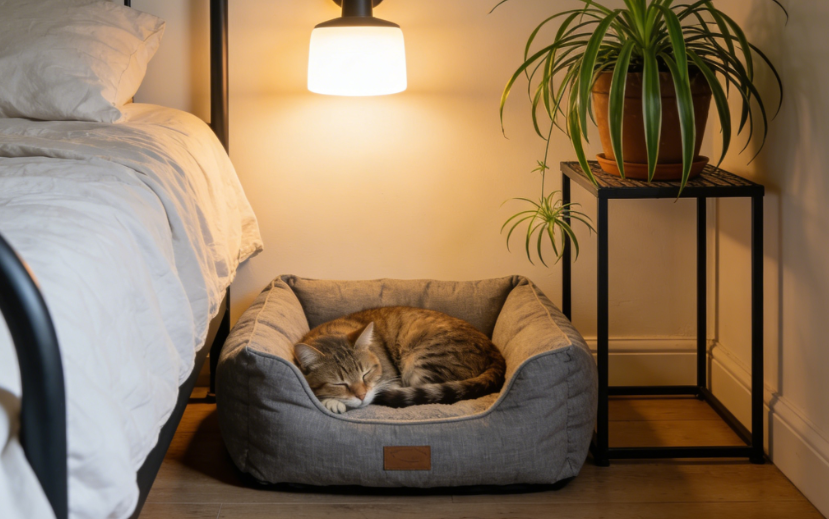
- Pet Bed: Place a cozy pet bed made from recycled materials (like the FurHaven Eco Plush Bed) in a corner of the room. Look for beds with removable, machine-washable covers to keep them clean and fresh. Avoid beds made from synthetic materials that can off-gas chemicals.
- Lighting & Air Quality: Use LED light bulbs (energy-efficient and long-lasting) instead of incandescent bulbs. Add a plant-based air purifier to remove pet odors and allergens—plants like spider plants or peace lilies are non-toxic to pets and help clean the air.
Designer Insight: “The key to pet-friendly sustainable design is to integrate pet needs into your overall aesthetic, not treat them as an afterthought,” says Sarah Jensen, a London-based interior designer specializing in eco-friendly spaces. “For example, a built-in pet nook made from reclaimed wood looks intentional, not cluttered, and serves both you and your pet.”
Vet Warning: “Always check if materials are non-toxic to pets before renovating,” says Dr. James Wilson, a veterinary toxicologist in New York. “Certain woods (like cedar), paints, and adhesives can be harmful if ingested or inhaled. When in doubt, ask your vet or look for products labeled ‘pet-safe.’”
🛒 Top 2026 Pet-Friendly Sustainable Products to Try
If you’re not ready for a full renovation, start with these eco-friendly, pet-safe products that blend style and functionality:
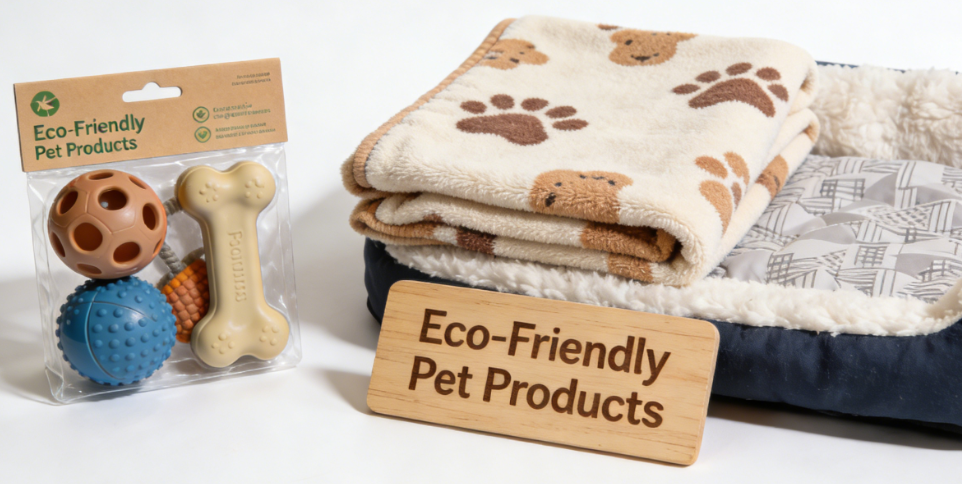
- Recycled Rubber Pet Toy Set: Made from 100% recycled rubber, these toys are durable, non-toxic, and safe for chewing. Brands like West Paw offer a variety of styles (balls, tugs, chew toys).
- Organic Cotton Pet Blanket: GOTS-certified organic cotton blankets are soft, non-toxic, and machine-washable. Perfect for couches, beds, or pet nooks.
- Reclaimed Wood Pet Feeding Station: Handmade from reclaimed wood, these feeding stations are stylish and functional. Many come with stainless steel bowls that are easy to clean.
- Plant-Based Cat Litter: Corn, wheat, or pine-based litter is biodegradable, flushable (check local regulations), and non-toxic to cats. Brands like World’s Best Cat Litter are a popular choice.
- Recycled Polyester Pet Bed: Beds made from recycled plastic bottles are durable, machine-washable, and eco-friendly. Look for options with supportive foam for older pets.
🌟 Final Thought: A Home That Works for Everyone
Pet-friendly sustainable home renovation isn’t just about creating a beautiful space—it’s about creating a space that honors the bond between you and your pet while respecting the planet. You don’t have to do a full renovation overnight: start with small changes (like switching to a recycled rubber pet bed or using glass jars for food storage) and build from there.
For me, the biggest win was installing the built-in pet nook in my living room. My dog, Max, loves curling up there while I work, and it looks like it was always part of the design—not an afterthought. And knowing that the materials are sustainable and non-toxic gives me peace of mind that I’m keeping both Max and the planet safe.
As you embark on your own renovation journey, remember: the best pet-friendly homes are ones where both you and your furry friend feel comfortable, happy, and at peace. Here’s to creating a space that’s as kind to your pet as it is to the planet.